Leave Your Message

2026 Best Sorting Machine Buying Guide for Global Buyers

Buying a Sorting Machine in 2026 is not simply a price comparison. It is a decision about accuracy, labor, maintenance, energy use, and long-term production stability. Global buyers must examine the material, capacity, sorting targets, contamination level, and available factory space before contacting suppliers. A colorful trial sample can look impressive. Real production data matters more.

Stefan Ranstrand, former President and CEO of TOMRA, has emphasized, “The world needs to move from a linear to a circular economy.” His statement reflects the wider role of modern sorting technology. A reliable machine can separate plastics, metals, food products, minerals, or recyclable materials with greater consistency. However, no machine performs perfectly under every condition. Moisture, dust, irregular shapes, poor lighting, and unstable feeding can reduce accuracy. Buyers should request test results using their own materials, not only supplier demonstrations. They should also verify sensor technology, software updates, reject rates, spare-parts access, operator training, and local service support.

This guide is practical, but not absolute. Market prices change. Supplier claims vary. Installation quality can decide the final result. A cheaper unit may become expensive after repeated stoppages. A premium system may also be unsuitable for a small facility. Careful comparison remains essential. By reviewing technical specifications, ownership costs, safety features, and regional support, global buyers can choose a Sorting Machine that fits real working conditions instead of buying an impressive machine that struggles on the factory floor.

2026 Best Sorting Machine Buying Guide for Global Buyers

What Is a Sorting Machine and How Does It Work?

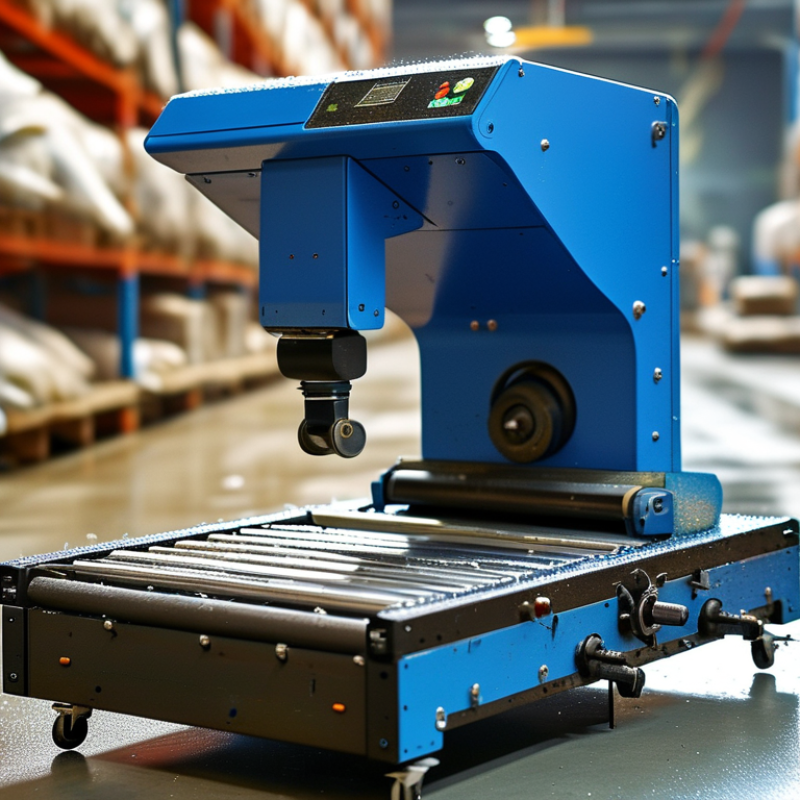
A sorting machine separates products by measurable differences such as size, color, weight, shape, or material. In a typical line, items travel on a moving conveyor under controlled lighting. Sensors capture images or detect physical properties. Software then compares each item with preset quality rules. An actuator, such as an air jet or mechanical arm, moves the selected item into another channel.

The process happens quickly, but speed is not the only buying concern. A machine handling small food pieces may need higher image resolution and gentle product contact. A recycling line may require stronger conveyors and sensors that identify material types. During site checks, I would measure moisture, dust, vibration, temperature, and available floor space. These details often affect performance more than the advertised sorting speed.

Reliable buyers should request test results using their own materials. Ask about accuracy, acceptable error rates, cleaning access, spare parts, software updates, and operator training. A simple sample test can reveal problems hidden by a specification sheet. No machine is perfect. Product overlap, poor lighting, and irregular shapes can reduce accuracy. I would also check whether the rejected items are damaged or merely redirected. That small difference can influence product loss, labor costs, and long-term maintenance.

Which Types of Sorting Machines Serve Different Industries?

2026 Best Sorting Machine Buying Guide for Global Buyers

Which Types of Sorting Machines Serve Different Industries?

Food processors often choose optical sorting machines for grains, nuts, fruits, and vegetables. Cameras detect color, size, shape, and visible defects on fast-moving belts. Near-infrared sensors can identify material differences that ordinary cameras miss. Moisture, dust, and product variation still affect accuracy. Request tests using your actual harvest, not a perfect sample.

Recycling facilities commonly use optical, magnetic, eddy-current, and air-ejection systems. Optical units separate plastics by color or polymer type. Magnetic systems remove ferrous metals from mixed streams. Eddy-current machines recover non-ferrous metals, such as aluminum. These systems need stable feeding and regular calibration. Small changes in belt speed can reduce recovery rates.

Mining operations may require sensor-based sorting for stone, ore, and industrial minerals. X-ray, laser, or color sensors can separate valuable material from waste rock. Pharmaceutical manufacturers usually need vision inspection, checkweighing, and controlled rejection systems. Logistics centers depend on barcode, dimension, and weight sorting equipment. Different needs. Different risks.

A reliable purchase review should examine throughput, detection accuracy, rejected-product handling, cleaning access, software records, and local service support. Ask for documented test results and operator training details. No machine is perfect. A supplier may promise high accuracy, but factory conditions can expose weak assumptions. I would also calculate energy use, spare-parts availability, and maintenance time before comparing prices. The cheapest system can become expensive when downtime interrupts production.

How to Evaluate Sorting Accuracy, Speed, and Processing Capacity

When buying a sorting machine, test accuracy with materials from your actual production line. Clean samples can create misleading results. Include mixed sizes, damaged pieces, dust, moisture, and overlapping items. Measure correct sorting, false rejects, and missed defects separately. A strong evaluation records results over several hours, not just one impressive test. Ask for documented test conditions, sample size, and acceptable error rates. These details make supplier claims easier to verify.

Speed must match stable performance. Check the hourly rate under real operating conditions, including loading, inspection, and discharge time. A machine rated for 10 tons per hour may slow down with irregular materials. Observe belt movement, sensor response, jam recovery, and operator adjustments. Processing capacity also depends on feed consistency, available floor space, power supply, and maintenance access. I would not judge speed from a short demonstration alone. It is useful, but incomplete.

Tips: Request a trial using your own samples. Compare accuracy at different speeds. Ask operators to repeat the test without engineering support. Record downtime and manual interventions. Leave room for improvement; early estimates are rarely perfect. A simple spreadsheet can expose differences between advertised capacity and daily output. Consider spare parts, training, and service response before signing any purchase agreement.

What Features and Technologies Should Global Buyers Compare?

Global buyers should compare sorting machines by performance in real production, not by impressive specifications alone. Start with sensor capability. RGB cameras can identify visible color and shape differences, while near-infrared sensors detect material variations that human eyes miss. Some applications may benefit from hyperspectral imaging, but higher resolution can increase cost and maintenance needs. Artificial intelligence can improve recognition, yet buyers should ask how models are trained and updated.

Throughput matters, but accuracy matters more when rejected product becomes expensive waste. Compare sorting speed, detection accuracy, false-rejection rates, and response time. Ask for test results using your actual material, including dust, moisture, mixed sizes, and damaged items. A clean sample can create unrealistic confidence. No specification sheet tells the whole story.

Mechanical design deserves equal attention. Check belt width, air-jet precision, inspection access, cleaning time, and changeover procedures. Food-related applications may require hygienic construction and documented compliance with relevant regulations. Electrical safety, energy consumption, noise levels, and compressed-air demand affect long-term operating costs. Remote diagnostics can reduce downtime, but data access and cybersecurity controls should be clearly explained. Local service capacity also matters. A technically advanced machine is less useful when spare parts take weeks to arrive. Buyers should request references, trial reports, training details, warranty terms, and a transparent total-cost model before making a decision. Even experienced teams can overlook cleaning labor.

2026 Best Sorting Machine Buying Guide for Global Buyers - What Features and Technologies Should Global Buyers Compare?

Machine Category Primary Sorting Principle Typical Materials or Applications Typical Throughput Range Key Detection or Sorting Technologies Typical Accuracy or Control Capability Important Utility Requirements Main Advantages Key Buying Checks for Global Buyers
Optical Color Sorter Air-ejection sorting based on visible color, shape, size, and surface defects Rice, grains, pulses, seeds, nuts, plastic flakes, and selected food products Approximately 1–15 tonnes per hour, depending on material, channel count, and defect level RGB cameras, high-resolution line-scan imaging, LED lighting, image-processing software, and pneumatic ejectors Often specified by rejection ratio and carryover rate rather than a single universal accuracy figure; results depend strongly on feed quality and calibration Compressed air, stable electrical power, dust extraction or filtration, and a clean material feed Fast continuous sorting, non-contact inspection, and effective removal of color and visible surface defects Compare camera resolution, lighting stability, ejector response time, air consumption, recipe storage, cleaning access, and test-sample results
Near-Infrared (NIR) Sorter Material identification using spectral reflectance beyond the visible range Mixed plastics, paper, textiles, agricultural products, and selected recycling streams Approximately 1–20 tonnes per hour, depending on belt width, material density, and sorting target NIR spectroscopy, hyperspectral or multispectral sensors, software classification, and air-jet separation Can distinguish materials with similar visible colors when their spectral signatures differ; performance varies with contamination, moisture, and particle size Compressed air, stable lighting conditions, dust control, and adequate conveyor presentation Improves polymer or material separation where color cameras alone are insufficient Check detectable material families, minimum particle size, black-plastic capability, moisture tolerance, database update process, and validation samples
Induction or Eddy-Current Sorter Separation according to electrical conductivity and magnetic response Aluminum cans, non-ferrous metals, shredded metals, and recycling materials Approximately 3–20 tonnes per hour, depending on belt width, particle distribution, and material density High-speed rotating magnetic rotor, eddy-current field, conveyor belt, and adjustable splitter Designed primarily for non-ferrous metal recovery; actual purity depends on particle size, feed preparation, and overlap control Electrical power, dust protection, suitable conveyor alignment, and regular inspection of belt and rotor components Continuous separation of non-ferrous metals without direct contact with the product Compare rotor speed, belt width, minimum particle size, magnetic shielding, splitter adjustment, wear parts, and safety guarding
Magnetic Separator Ferromagnetic separation using permanent magnets or electromagnets Grains, powders, plastics, food ingredients, minerals, and recycling feedstock Approximately 1–50 tonnes per hour, depending on product form and separator configuration Plate magnets, grate magnets, drum magnets, overband magnets, or suspended magnetic systems Effective for ferrous contamination; separation performance depends on magnetic strength, product layer thickness, and contact time Usually low utility demand; some systems require electrical power for conveyors, vibration, or electromagnets Simple operating principle, low maintenance, and continuous ferrous-metal removal Check magnetic field strength, food-contact materials where applicable, cleaning method, magnet accessibility, temperature range, and guarding
Metal Detector Electromagnetic detection of ferrous, non-ferrous, and sometimes stainless-steel contaminants Packaged food, pharmaceuticals, textiles, plastics, chemicals, and bulk products Product-dependent; commonly integrated into lines operating from several metres per minute to high-speed packaging rates Multi-frequency detection, digital signal processing, automatic product learning, and reject mechanisms Sensitivity is product-dependent and affected by aperture size, moisture, salt content, packaging, and line speed Electrical power, stable conveyor speed, and suitable environmental protection; compressed air may be needed for pneumatic rejection Detects metal contamination in products that may not be visually distinguishable Compare test-piece sensitivity, product-effect compensation, validation records, reject confirmation, fail-safe design, and certification requirements
Checkweigher with Automatic Reject Dynamic weighing against programmed minimum, maximum, or target weight limits Packaged food, beverages, pharmaceuticals, chemicals, and consumer goods Approximately 60–500 packs per minute, depending on pack size, conveyor design, and required weighing accuracy Load cells, digital signal processing, automatic tare correction, feedback control, and reject verification Commonly specified by permitted error and repeatability; accuracy depends on product stability, conveyor vibration, and speed Electrical power, level installation, controlled conveyor conditions, and optional compressed air for rejection Controls giveaway, verifies pack weight, and supports production-quality records Check weighing range, belt speed, product spacing, calibration procedure, data export, washdown rating, and legal metrology requirements
Vision Inspection and Robotic Pick-and-Place System Camera-based classification followed by mechanical or robotic removal Packaged products, molded parts, fruits and vegetables, components, and mixed objects Approximately 20–300 picks per minute, depending on object size, robot type, spacing, and handling pattern 2D or 3D cameras, machine vision software, artificial-intelligence classification, robotic arms, and adaptive gripping Performance depends on object presentation, lighting, training data, mechanical repeatability, and acceptable defect definition Electrical power, compressed air for some grippers or ejectors, safe guarding, and controlled lighting Flexible handling of variable shapes and programmable classification rules Compare camera field of view, cycle time, changeover method, gripper hygiene, vision validation, safety system, and programming support
Gravity Roller or Belt Diverter Sorter Mechanical routing according to size, destination, barcode, sensor input, or production logic Cartons, parcels, totes, trays, bags, and warehouse or manufacturing-line products Approximately 1,000–15,000 items per hour, depending on product dimensions and sorter configuration Photoelectric sensors, barcode or code readers, programmable logic controllers, pop-up wheels, belts, or sliding-shoe mechanisms Sorting accuracy depends on code readability, item spacing, conveyor speed, and destination logic Electrical power, network connectivity, suitable floor loading, and compressed air for certain diverter designs Efficient routing of discrete items to multiple destinations Check item-size range, minimum spacing, accumulation zones, noise level, access for maintenance, software integration, and expansion capacity
Density or Air-Classifying Separator Separation according to aerodynamic behavior, density, or terminal velocity Lightweight packaging, fibers, films, agricultural residues, and selected recycling materials Approximately 1–30 tonnes per hour, depending on feed composition and separator design Air knives, fans, adjustable air channels, vibrating feeders, and cyclone or filtration systems Separation quality depends on particle shape, moisture, bulk density, feed uniformity, and air-flow adjustment Electrical power, air-handling capacity, dust collection, and adequate ventilation or filtration Useful for removing light fractions and reducing manual sorting requirements Compare airflow range, fan energy consumption, dust-control design, noise protection, material moisture limits, and cleaning requirements
Buyer’s note: Throughput and performance figures are typical planning ranges rather than guaranteed results. Before purchase, request a material trial using representative samples and confirm local electrical standards, compressed-air quality, language support, spare-parts availability, operator training, safety compliance, warranty terms, and after-sales service coverage.

How to Select Suppliers, Manage Costs, and Plan Machine Installation

Choosing a sorting machine in 2026 requires more than comparing advertised capacity. In my experience, buyers get better results when suppliers explain test data, reject rates, maintenance intervals, and operator training. Ask for samples from your actual material, not showroom samples. A reliable supplier should share inspection records, electrical requirements, spare-parts plans, and response times in writing. Request references from facilities with similar dust levels, throughput, and working hours. If answers remain vague, slow the purchase.

Cost control starts with total ownership cost. Include freight, customs clearance, site preparation, installation labor, power upgrades, consumables, and yearly service. A low quotation can become expensive after ten small additions. Compare at least three technical offers using one specification sheet. Check what is excluded. This step feels tedious, but it prevents budget surprises. I would also keep a ten to fifteen percent contingency, although the exact figure depends on local construction and currency risks.

Installation planning should begin before the machine leaves the factory. Confirm floor loading, access doors, lifting equipment, ventilation, grounding, and material flow. Mark the footprint on the floor with tape. It exposes awkward clearances quickly. Assign one site manager and one supplier technician to approve each connection. Schedule dry runs, calibration, safety checks, and operator practice before production. Do not rush acceptance because output looks impressive on day one. Dust, seasonal material changes, and inexperienced operators may reveal weaknesses later. Revisit the settings after several weeks, and record every adjustment for future maintenance.