Best Checkweighing Machines for Accurate Weighing Solutions?
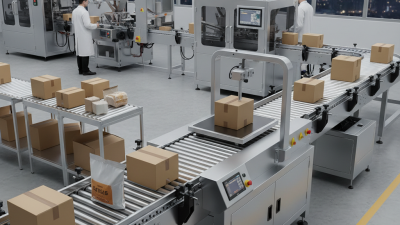
In today’s competitive manufacturing landscape, precision is paramount. The demand for efficient and accurate weighing solutions drives industries to rely on advanced technology. A Checkweighing Machine plays a crucial role in this setting. According to a recent report from MarketsandMarkets, the global market for checkweighing machines is expected to reach $1.2 billion by 2025, growing steadily due to rising quality control requirements.
These machines ensure that products meet weight specifications. Industries like food, pharmaceuticals, and logistics greatly benefit from their capabilities. For instance, the food industry alone loses millions each year due to underweight items and regulatory fines. Nonetheless, many companies still struggle to implement checkweighing effectively. Misplaced priorities in production lines can lead to inefficiencies.
Choosing the right Checkweighing Machine is essential. Factors such as speed, accuracy, and user-friendliness must be evaluated. Yet, many users overlook these critical features, leading to potential operational failures. It’s crucial to learn from these oversights to enhance efficiency and quality control in manufacturing processes.
Types of Checkweighing Machines for Various Industries
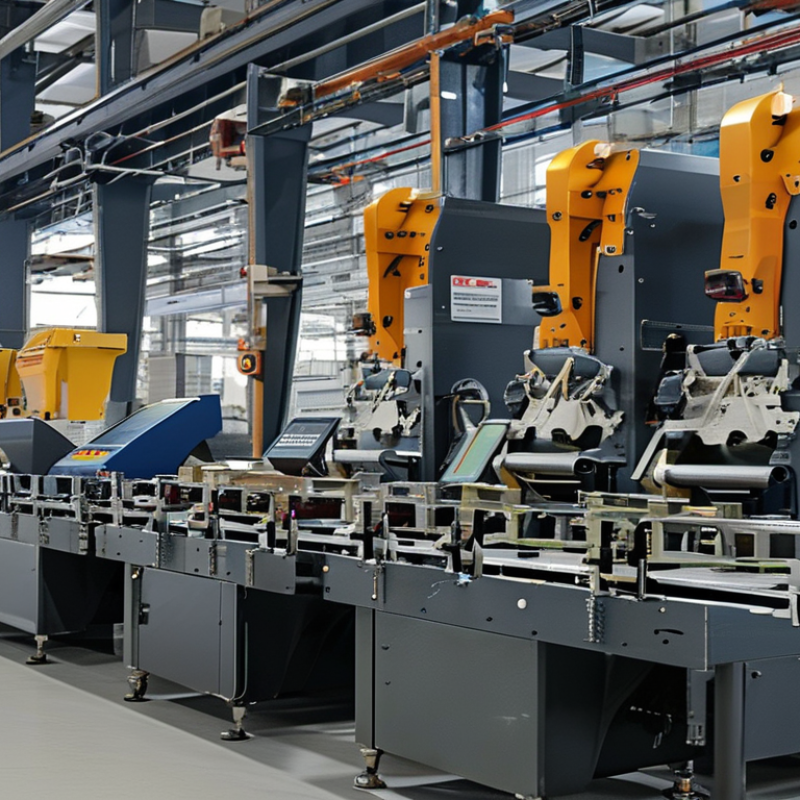
Checkweighing machines play a pivotal role across numerous industries. They help ensure products meet specified weight criteria, enhancing quality control. In food processing, precision is vital. Accurate weight helps in avoiding underfilled packages. In pharmaceuticals, consistent dosing is critical. A slight deviation can affect efficacy.
Manufacturers also use checkweighing machines in logistics. Proper weight measurements assist in shipping costs and inventory accuracy. Retailers are keen on preventing losses from theft or shrinkage. Effective checkweighing systems can identify discrepancies quickly.
Various models of checkweighers exist to suit distinct needs. Some machines focus on speed, while others prioritize accuracy. Each of these choices has its pros and cons. For high-speed production lines, a machine might sacrifice precision for speed. This could lead to compliance issues down the line. It's essential for industries to reflect on their specific needs.
What works for one might not be ideal for another. Consideration of these factors is critical for reliable operations.
Key Features to Consider When Choosing Checkweighing Machines
When selecting a checkweighing machine, several key features are essential for achieving accurate weighing solutions. Precision is paramount. Look for machines that offer a high degree of accuracy, ideally within ±0.1 grams. According to industry reports, inaccuracies in weighing can lead to significant financial losses, often exceeding 5% of production costs.
Speed is another critical aspect. Modern checkweighers can process products at rates exceeding 300 units per minute. This capability not only enhances efficiency but also reduces bottlenecks in production lines. It's important to assess throughput requirements based on your operational needs and expected demand.
Tips: Ensure the machine has user-friendly software. This feature allows for easy data analysis and integration with existing systems. Additionally, consider machines with adjustable settings. This adaptability is crucial for different product weights and types.
Durability should not be overlooked. Machines should withstand harsh industrial environments. Frequent maintenance can be costly, impacting productivity. Hence, choose robust models that minimize downtime for repairs. Remember, investing in reliable equipment can prevent long-term issues.
Finally, consider the machine's compliance with regulatory standards. Ensuring adherence to weight regulations can prevent penalties and enhance your company’s credibility. A well-chosen checkweighing solution supports both compliance and operational efficiency.
Best Checkweighing Machines for Accurate Weighing Solutions
| Model |
Maximum Weight Capacity |
Weighing Accuracy |
Speed (Weights/Min) |
Connectivity Options |
Special Features |
| Model A |
20 kg |
±0.1 g |
120 |
USB, Wi-Fi |
Multilanguage support |
| Model B |
30 kg |
±0.2 g |
150 |
Ethernet, Bluetooth |
Touchscreen interface |
| Model C |
25 kg |
±0.5 g |
100 |
USB, RS232 |
Stainless steel body |
| Model D |
40 kg |
±0.3 g |
80 |
Wi-Fi, Bluetooth |
Built-in printer |
Benefits of Using Checkweighing Machines in Quality Control
Checkweighing machines play a crucial role in quality control across various industries. Their primary benefit lies in ensuring products meet weight specifications. According to a report by MarketsandMarkets, the global checkweighing machines market is expected to reach $1.2 billion by 2025, driven by increasing demand for accuracy in manufacturing. Industries often face challenges, as even minor variations in weight can lead to significant financial losses over time.
The adoption of checkweighing technology improves operational efficiency while minimizing human error. In fact, a study published in the Journal of Quality in Maintenance Engineering highlights that implementation of these machines can reduce weight discrepancies by up to 95%. Many manufacturers recognize the importance of consistent weight for regulatory compliance. Non-compliance can lead to recalls or fines, which are costly for businesses.
Moreover, checkweighing machines provide real-time data and insights. This data aids in identifying trends in manufacturing processes. However, it's essential to note that reliance solely on these machines can lead to complacency. Regular maintenance and staff training are necessary to fully leverage their capabilities. Continuous improvement is vital for maintaining high-quality standards in production processes.
Top Brands and Models of Checkweighing Machines in the Market
When selecting checkweighing machines,
accuracy and reliability are vital. The market is filled with various models that cater to
different industries. Some machines excel in speed, while others focus on precision.
Understanding the specific needs of your operations is essential. Look for features that
include high resolution,
easy calibration, and
user-friendly interfaces.
Tips:
Ensure regular maintenance for optimal performance. Over time, wear and tear can affect
accuracy. Adjust calibration settings periodically to address discrepancies.
Another consideration is the machine's compatibility with other systems. This enhances data
integration within your operations. Some models offer advanced reporting features that can
aid in quality control. Evaluate your workflow to determine which features are critical to
your process.
Tips:
Conduct a trial run with your preferred models. Assess how they fit into your existing setup.
Listen to your team’s feedback to ensure the chosen machine meets operational needs efficiently.
Maintenance Tips for Ensuring Accurate Weighing with Checkweighers
Regular maintenance is essential for checkweighing machines. It ensures precise measurements and optimal performance. Operators should frequently inspect the machine for debris and dust. These contaminants can affect accuracy. A clean machine operates more reliably.
Calibration is another critical aspect. By recalibrating regularly, you can avoid discrepancies in weight readings. An uncalibrated machine may lead to significant errors. Even minor weight differences can result in substantial losses. Monitor environmental factors like temperature and humidity. They can influence measurement outcomes.
Training staff is equally important. Proper training helps prevent common operator errors. When employees understand the equipment, they can identify potential problems faster. Mistakes can lead to costly downtime. Create a routine maintenance checklist. Having clear guidelines keeps everyone accountable, ensuring the machine’s longevity.
Checkweighing Machines Accuracy Report