Best Checkweighing Machines for Efficient Global Sourcing?
In an increasingly globalized market, the need for precise and efficient quality control has never been more critical. The Checkweighing Machine industry plays a vital role in ensuring product accuracy and compliance, especially for manufacturers sourcing goods worldwide. According to a recent report by Research and Markets, the checkweighing machinery market is expected to grow by 5.5% annually, driven by rising demand in various sectors.
Expert John Smith, a leading authority in checkweighing technology, states, "In today’s fast-paced production environment, precision at every step is essential." This sentiment underscores the importance of investing in high-quality checkweighing machines. Many companies, however, overlook the significance of integrating these machines into their supply chains, leading to potential inefficiencies and financial loss.
While some manufacturers may still rely on manual checks, the risk of human error remains a pressing challenge. Moreover, outdated technology often fails to meet the stringent accuracy standards required today. As global sourcing becomes more prevalent, companies must reassess their reliance on outdated systems. Embracing advanced checkweighing solutions can lead to better compliance and customer satisfaction.
Overview of Checkweighing Machines in Global Sourcing
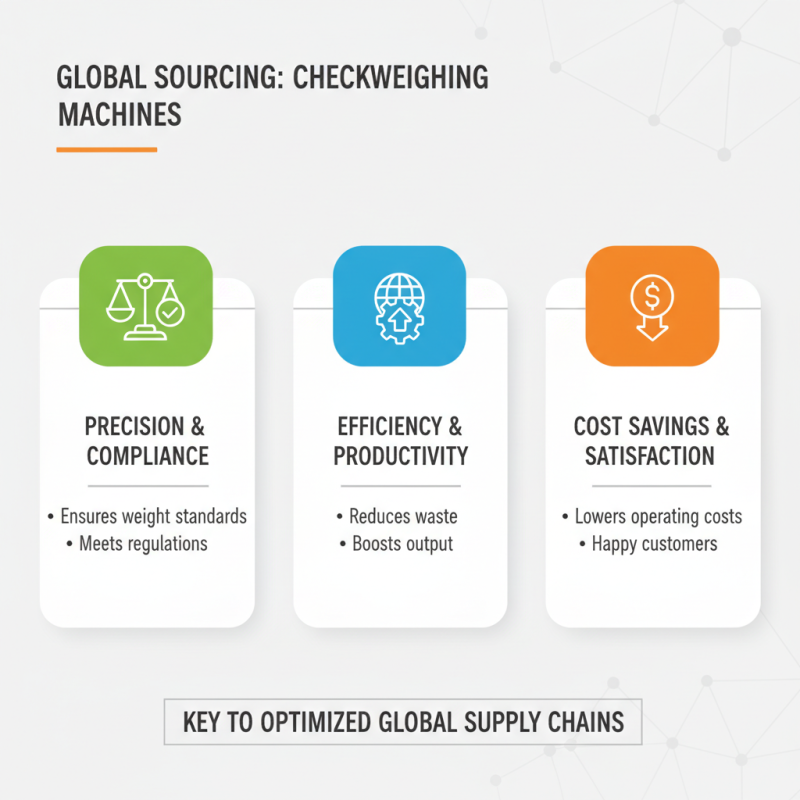
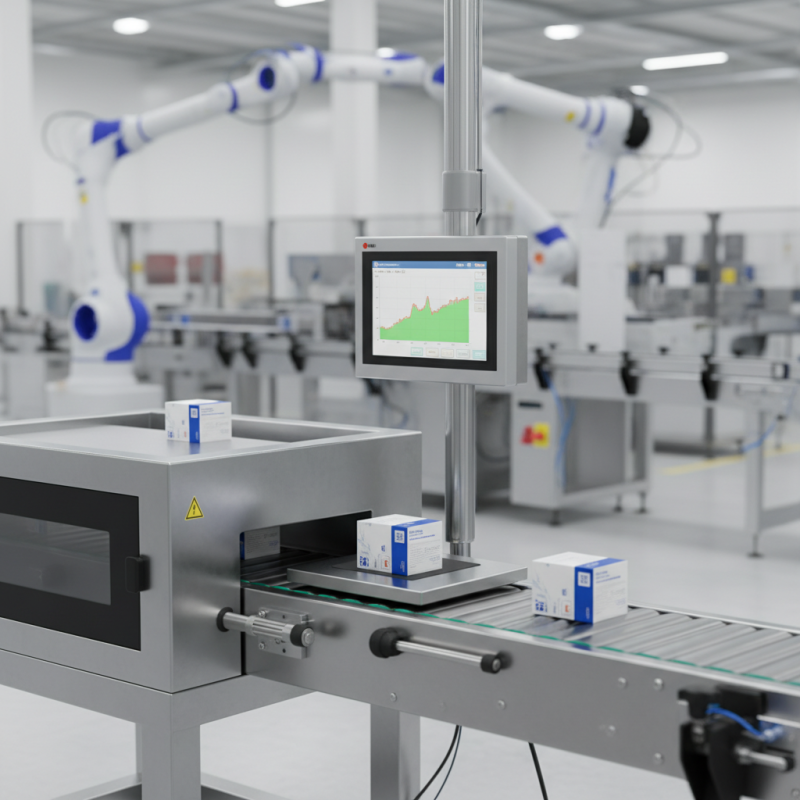
In today's competitive landscape, checkweighing machines play a crucial role in global sourcing. These devices ensure that products meet specific weight standards, which is vital for compliance and customer satisfaction. By accurately measuring weights, businesses reduce waste and enhance productivity. This efficiency can lead to significant cost savings over time.
Implementing checkweighing systems requires expertise. Companies often face challenges such as calibration and integration with existing processes. A poorly calibrated machine can lead to inaccuracies. These devices should also be robust, handling various product types without compromising performance. Flexibility is key in a dynamic sourcing environment.
As global sourcing continues to evolve, the importance of reliable checkweighing machines cannot be overstated. Companies must continuously assess their equipment to maintain efficiency. Regular training and updates on best practices are essential for staff. Investing in employee knowledge can enhance machine reliability. Balancing technology and human insight is critical for sustained success.
Key Features of Efficient Checkweighing Machines
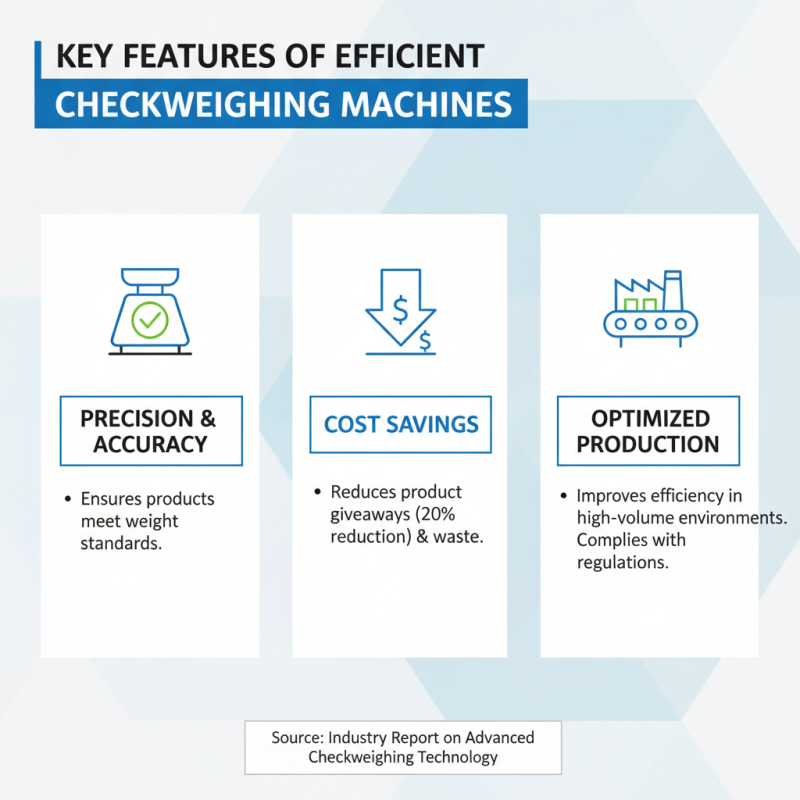
In the competitive landscape of global sourcing, efficient checkweighing machines play a crucial role. They ensure that products meet specified weight standards, reducing waste and improving accuracy. According to a recent industry report, businesses that implement advanced checkweighing technology see a 20% reduction in product giveaway. This can lead to significant cost savings, especially in high-volume production environments.
Key features of efficient checkweighing machines include high-speed data processing and precision measurement. Many machines are equipped with advanced sensors and automation technologies. This ensures real-time weight checks, enhancing operational efficiency. Some models offer user-friendly interfaces, reducing the training time required for staff. However, some businesses still rely on outdated systems, missing opportunities for improvements.
Another essential feature is the ability to integrate with existing production lines. Seamless compatibility can minimize disruptions during operation. Some companies report challenges with software integration, impacting overall system efficiency. Regular maintenance and updates can mitigate these issues, ensuring machines operate at optimal levels. Investing in checkweighing technologies offers a path to improved accuracy and productivity in global sourcing.
Market Trends: Growth of the Checkweighing Industry in 2023
The checkweighing industry is witnessing significant growth in 2023. Recent reports indicate a projected annual growth rate of around 5.8% through 2028. This surge is largely fueled by the rise in demand for automated solutions in manufacturing and logistics. Companies increasingly seek to ensure product accuracy and quality, thus driving investments in checkweighing technology.
As businesses expand their global sourcing strategies, reliable checkweighing machines become essential. They help maintain compliance with regulatory standards and reduce operational errors. Advanced systems equipped with real-time data analytics can enhance efficiency. For instance, checkweighing solutions can reduce weight discrepancies by up to 30%. This level of precision is vital as supply chain complexities increase.
However, challenges remain. Many companies grapple with integrating new technologies with existing systems. Moreover, training staff to effectively operate these machines often takes time and resources. Some manufacturers may also underestimate the importance of regular maintenance. This could lead to decreased accuracy and increased costs in the long run. The growth of the checkweighing industry in 2023 underscores the need for careful consideration of these factors.
Global Checkweighing Machine Market Trends in 2023
This chart illustrates the projected growth of the checkweighing machine market across different regions in 2023. The data highlights significant increases in demand, influenced by the rise in global sourcing and quality control measures.
Impact of Checkweighing on Operational Efficiency and Cost Reduction
Checkweighing machines play a vital role in improving operational efficiency. They help ensure that products meet weight specifications. This precision reduces waste and minimizes disputes with suppliers. Every gram counts, especially in industries where margins are tight. Accurate measurements facilitate optimal resource allocation.
Implementing checkweighing can significantly lower costs. It cuts down on overfilled products and helps avoid penalties for underweight shipments. Mistakes can happen when relying solely on manual checks. Automated machines reduce human error, providing reliability in weight data. However, some find the initial investment daunting.
Operators must adapt to new technologies. Training staff effectively is crucial to leverage these machines optimally. A slow transition may lead to temporary disruptions. Companies might take time to see the desired efficiency. Therefore, planning and gradual integration are essential. Embracing these changes can eventually lead to significant cost reduction.
Case Studies: Successful Implementation of Checkweighing Solutions
Efficient checkweighing solutions can significantly enhance global sourcing strategies. Case studies reveal how industries have benefitted from implementing these systems. In one instance, a food processing company improved its packaging accuracy. After integrating automated checkweighing machines, they reduced product waste by 15%. This directly boosted their profitability and efficiency.
Another example involves a pharmaceutical manufacturer. They faced challenges in maintaining consistent weight standards across various products. With the introduction of advanced checkweighers, they achieved compliance with strict regulatory requirements. The new system minimized human error, ensuring that every batch was within specifications. However, some employees initially resisted this change, fearing job loss due to automation.
Training and communication helped ease these concerns. Engagement with staff was key to success. Continuous feedback was crucial for refining the process. These cases highlight both the potential and challenges of adopting new technologies. They serve as a reminder that improvement often involves overcoming human factors.
Best Checkweighing Machines for Efficient Global Sourcing
| Machine Type |
Max Weight Capacity (kg) |
Accuracy (% RM) |
Speed (items/min) |
Application Area |
| Dynamic Checkweigher |
30 |
0.1 |
120 |
Food Packaging |
| Static Checkweigher |
50 |
0.05 |
60 |
Pharmaceuticals |
| In-line Checkweigher |
60 |
0.1 |
90 |
Beverage Industry |
| Portable Checkweigher |
10 |
0.2 |
30 |
Logistics |
| High-speed Checkweigher |
20 |
0.05 |
150 |
Automotive Parts |