Leave Your Message

7 Best Roller Checkweighers for Global Buyers?

Choosing the right Roller Checkweigher is not simply a matter of comparing prices, speeds, or stainless-steel frames. Global buyers must examine product weight, belt stability, washdown conditions, line integration, data handling, and after-sales support. A machine that performs well on dry cartons may struggle with wet containers, uneven packages, or vibration near a conveyor transfer point.

Dr. Andreas Hämmerle, a weighing-technology executive, has emphasized: “Reliable weighing begins with a controlled process, not the scale alone.” That principle matters in real factories. A loose guide rail, unstable product spacing, or poorly maintained load cell can create false rejects within minutes. Small details matter.

This guide reviews seven leading Roller Checkweigher options for international buyers. Each model is considered through practical criteria, including weighing accuracy, throughput, hygienic design, software capability, calibration access, and supplier responsiveness. Regional support also deserves attention. Spare parts may be easy to obtain in one market but painfully slow in another.

The ranking is not absolute. There is no universal winner.

A pharmaceutical line may value traceability above speed. A food processor may prioritize washdown access and rapid belt removal. A logistics operation may need rugged construction and simple controls instead. Buyers should also verify compatibility with their existing conveyors, reject systems, and inspection equipment before approving a purchase. Some specifications look impressive on paper, yet performance can change under real production conditions. That is where careful testing, documented trials, and honest supplier discussions become essential.
7 Best Roller Checkweighers for Global Buyers?

What Is a Roller Checkweigher and How Does It Work?

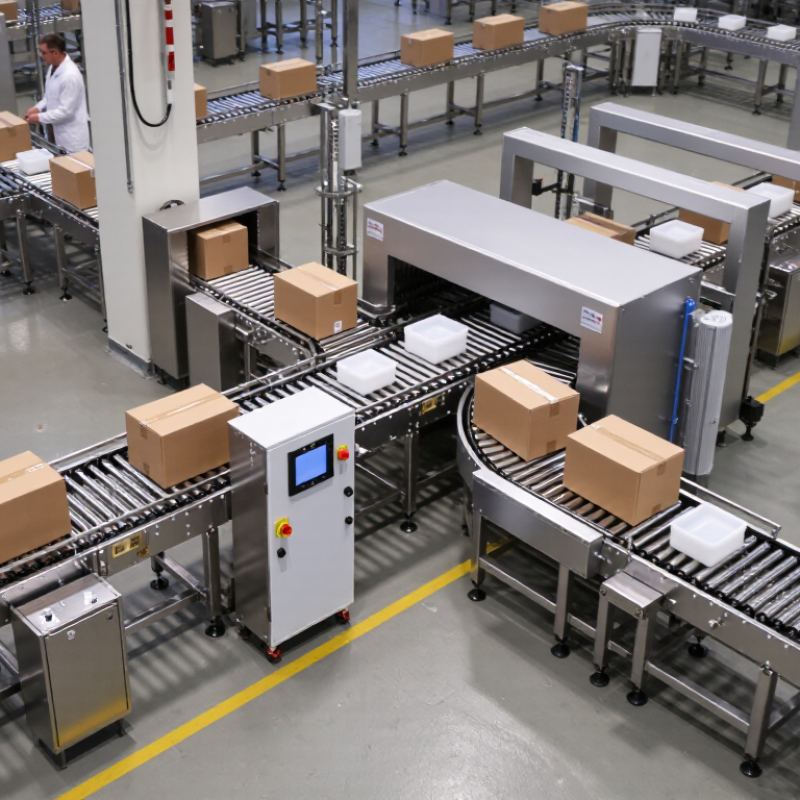
A roller checkweigher is an in-line weighing machine for cartons, trays, bags, and other rigid products. It measures each item while the product continues moving through the production line. Imagine a sealed carton traveling across powered rollers. A weighing section beneath the rollers detects its weight within seconds.

The process is simple, but precision depends on good setup. A photoelectric sensor identifies the incoming product and starts the weighing cycle. Load cells then measure the force placed on the roller conveyor. The control system compares that reading with the target weight and permitted tolerance. Products within range continue forward. Underweight or overweight items are diverted by a pneumatic arm, belt gate, or another rejection device. Data may include weight, time, product code, and rejected quantity.

For global buyers, frame strength and roller spacing deserve close attention. Heavy cartons need stronger rollers and load cells. Small packages may require tighter spacing to prevent tipping. Stainless steel construction suits damp or washdown areas, while guarded sensors help reduce dust-related errors. Regular calibration with certified test weights remains essential. A poorly leveled conveyor can create unstable readings. It is an easy detail to overlook. I have also found that product shape affects performance more than many specifications suggest. A flexible package may shift during weighing, so line speed and guide rails often need adjustment. Test samples should represent real production, not ideal cartons.
Key Features That Define a High-Quality Roller Checkweigher

A high-quality roller checkweigher starts with stable, repeatable weighing. Precision load cells should handle vibration, product gaps, and changing line speeds. During production trials, I look for consistent readings across light cartons and heavier cases. A strong system should also maintain accuracy when rollers collect dust or minor moisture.

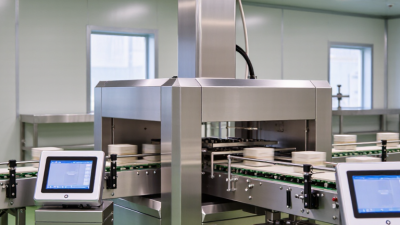
Conveyor design matters as much as the sensor. Smooth rollers reduce carton bounce and prevent weighing errors. Adjustable guides help keep packages centered through the weighing zone. Fast response time supports high throughput without creating bottlenecks. The controller should display weight, pass status, and rejected units clearly. Operators need simple controls, not confusing menus.

Maintenance often reveals the real quality of a checkweigher. Tool-free access, washable surfaces, and clear calibration procedures reduce downtime. Suitable protection against dust and water is important in demanding facilities. Data records can help identify drift, recurring underweight issues, or unstable feeding. Integration with upstream and downstream equipment should be tested, not merely promised. Safety guards and accessible emergency controls remain essential.

No system is perfect.

One detail is easy to overlook: floor vibration can affect results more than expected. A careful site test should examine temperature, product shape, line speed, and cleaning routines. Buyers may also need spare rollers and sensor protection for long-term reliability. A polished specification sheet helps, but practical testing matters more.

7 Best Roller Checkweighers for Global Buyers? - Key Features That Define a High-Quality Roller Checkweigher
Recommended Configuration Typical Product Application Weighing Range Conveyor Width Roller Pitch Typical Throughput Target Accuracy Ingress Protection Reject System Key Quality Features
1. Compact Pharmaceutical Roller Checkweigher Cartons, blister packs, small bottles and medical kits 20–1,000 g 150–250 mm 30–50 mm Up to 180 packs/min ±0.1–0.3 g IP65 Air blast or stop-and-release gate 304 stainless-steel contact parts, tool-free belt or roller access, password-controlled settings, audit-friendly data records and automatic zero tracking.
2. High-Speed Food Carton Checkweigher Frozen foods, ready meals, cereal boxes and snack cartons 50–3,000 g 250–400 mm 50–75 mm Up to 220 packs/min ±0.5–1.0 g IP65–IP69K Pneumatic pusher or retracting conveyor Washdown-ready stainless-steel frame, high-speed digital load cell, product recipes, multi-language HMI, reject confirmation and automatic statistical process control.
3. Heavy-Duty Case Roller Checkweigher Shipping cases, multipacks, corrugated cartons and warehouse loads 1–30 kg 400–800 mm 75–120 mm Up to 60 cases/min ±5–15 g IP54–IP65 Motorized diverter or powered side reject Reinforced conveyor structure, high-capacity load cells, adjustable side guides, overload protection, barcode or label integration and Ethernet-based production reporting.
4. Hygienic Fresh-Produce Roller Checkweigher Fresh vegetables, fruit trays, seafood packs and chilled food 100–5,000 g 300–500 mm 50–80 mm Up to 150 packs/min ±1–2 g IP66–IP69K Washdown-compatible pusher or belt-retract reject Open hygienic frame, sloped surfaces for drainage, corrosion-resistant components, removable rollers, minimal product-trap points and quick-clean design.
5. Modular Multi-Lane Roller Checkweigher Small packaged goods, sachets, pouches and grouped products 10–2,000 g 2 × 120–250 mm lanes 30–60 mm Up to 360 packs/min ±0.2–0.8 g IP65 Independent air jets or lane-specific gates Expandable lane modules, synchronized weighing logic, automatic lane balancing, recipe storage, reject verification and compact integration with upstream filling equipment.
6. Metal-Detection Combination Roller Checkweigher Packaged meat, bakery products, snacks and export-ready foods 50–5,000 g 250–450 mm 50–75 mm Up to 160 packs/min ±0.5–1.5 g IP65–IP69K Fail-safe pneumatic pusher with reject bin sensor Combined weight and contaminant inspection, fail-safe reject monitoring, stainless-steel construction, product memory, password protection and configurable alarm management.
7. Export-Ready Universal Roller Checkweigher General food, household products, cosmetics and industrial packages 20–10,000 g 250–600 mm 50–100 mm Up to 120 packs/min ±0.5–2.0 g IP65 Servo pusher, diverter arm or retracting conveyor 100–240 V AC compatibility, multilingual HMI, metric and imperial units, remote diagnostics, USB or Ethernet data export, adjustable conveyor height and globally common safety features.

The specifications above represent realistic configuration ranges commonly used in industrial roller checkweighing applications. Actual speed and accuracy depend on product size, stability, conveyor spacing, target weight, environmental conditions and the selected inspection configuration.

Seven Leading Roller Checkweigher Options for Global Buyers

7 Best Roller Checkweighers for Global Buyers

Seven Leading Roller Checkweigher Options for Global Buyers

Global buyers can compare seven practical roller checkweigher options for different production needs. Compact infeed models suit narrow lines and lighter cartons. Modular stainless-steel units support frequent washdown and demanding food environments. High-speed versions manage steady carton flow with short spacing. Heavy-duty designs handle dense cases and stronger conveyor impacts. Hygienic open-frame models reduce areas where dust or moisture may collect. Multi-lane systems improve throughput when several products arrive together. Custom roller checkweighers fit unusual dimensions, though engineering time usually increases.

A reliable evaluation should examine weighing accuracy, roller spacing, load-cell protection, and reject timing. Ask for test results using your actual carton sizes and target weights. Confirm electrical standards, language support, spare-part access, and remote service coverage before ordering. A clear display helps operators notice unstable readings quickly. In practice, conveyor vibration can affect results more than expected. No option is perfect. Poor product alignment may still create false rejects, even with strong equipment.

Tips: Measure the longest and smallest cartons first. Check the line speed during peak production, not average production. Leave space for cleaning and maintenance access. Request a factory acceptance test with real products. Also review calibration procedures and staff training materials. These details seem minor, but they often decide whether a checkweigher performs consistently after installation.

How to Compare Accuracy, Speed, Capacity, and Integration

Choosing among the seven best roller checkweighers requires more than comparing headline speeds. Accuracy, speed, capacity, and integration must be tested together.

Start with accuracy under real production conditions. OIML R 51-1 classifies automatic catchweighing instruments by permitted error, but actual results vary with vibration, product shape, belt spacing, and temperature. Request repeatability data at your smallest target weight. A machine claiming 120 packs per minute may perform differently with wet, flexible, or unstable products. Run at least three trials. Brochure figures can mislead.

Speed should match usable throughput, not empty-belt performance. Measure rejected packs, spacing losses, and weighing stability. Capacity also includes frame loading, belt width, and the largest product footprint. MHI’s 2024 Annual Industry Report found that 55% of supply-chain organizations planned to adopt robotics and automation within one to two years. That pressure makes integration important. Check Ethernet protocols, line-control signals, recipe management, and data export before purchasing. ISA-95 principles can help separate machine, control, and business systems. Integration often fails quietly. The checkweigher weighs correctly, but production data never reaches the quality system. That is an expensive oversight.

Ask for documented tests, calibration records, and service response times. Compare performance at your actual line speed, not a laboratory setting. I would also leave room for doubt: dust, vibration, and operator habits can reduce accuracy over time. The strongest choice is the model with transparent test conditions, stable rejection control, and reliable communication with existing equipment.

Global Buying Factors: Compliance, Support, Installation, and Cost

Choosing among the seven best roller checkweighers requires more than comparing price tags. Global buyers should verify measurement accuracy, conveyor compatibility, electrical standards, and documented calibration procedures. In food production, this matters greatly.

The World Health Organization estimates that contaminated food causes 600 million illnesses yearly. A reliable checkweigher supports safer, more consistent output.

Compliance paperwork should include test records, material certificates, software controls, and regional conformity documents. Ask whether the supplier provides remote diagnostics, spare parts, and local technicians.

PMMI industry reports continue to identify labor shortages and automation as major packaging challenges. Installation support can therefore protect production schedules. Still, “turnkey” claims deserve careful questioning. Site conditions often change the real cost.

Tips:

Request a sample-product test before purchase. Measure speed, weight range, reject accuracy, noise, and cleaning time.

Include training, freight, installation, calibration, and annual service in the quotation. A cheaper machine may become expensive after repeated stoppages.

Conversely, the most advanced model may exceed your actual needs. That is the uncomfortable part.

Buyers should compare total ownership cost over five years, not only the initial invoice.

Ask for customer references from similar climates, products, and production volumes.

Record every assumption in writing.