What is a Checkweighing Machine and How Does It Work?
In the world of manufacturing and packaging, precision is key. A Checkweighing Machine plays a vital role in ensuring that products meet weight specifications. Renowned industry expert Dr. Alice Thompson states, "Accuracy in weight measurement is critical for quality control.” Her insights shed light on the significance of these machines in maintaining standards.
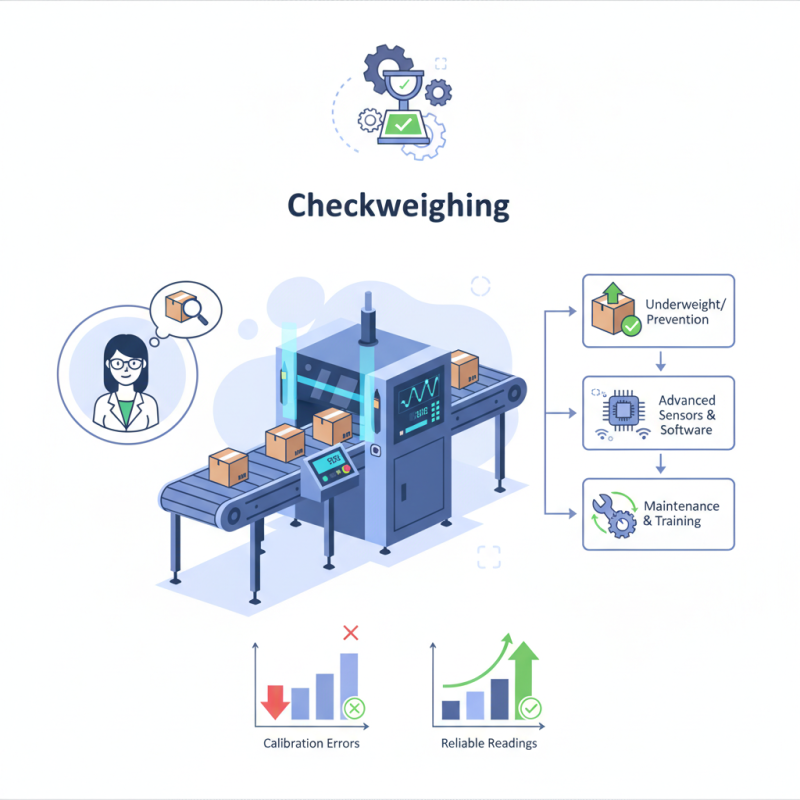
Checkweighing Machines operate by assessing the weight of items on production lines. They help prevent underweight or overweight products, which is crucial for both compliance and customer satisfaction. These machines utilize advanced sensors and software to deliver real-time feedback. This allows operators to take immediate action if discrepancies arise.
However, challenges remain. Calibration errors or mechanical issues can lead to unreliable readings. It is essential for manufacturers to invest in regular maintenance. As Dr. Thompson suggests, companies should prioritize training their staff to handle these machines proficiently. By doing so, they can minimize errors and ensure that the Checkweighing Machine serves its purpose effectively.
What is a Checkweighing Machine?
A checkweighing machine is an essential tool in many industries. It ensures products meet specific weight standards. These machines help maintain quality control in packaging, food production, and shipping. They work by comparing the weight of an item against preset limits. If the weight falls outside these limits, the machine can either reject the item or signal an alert.
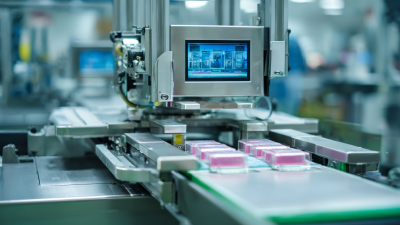
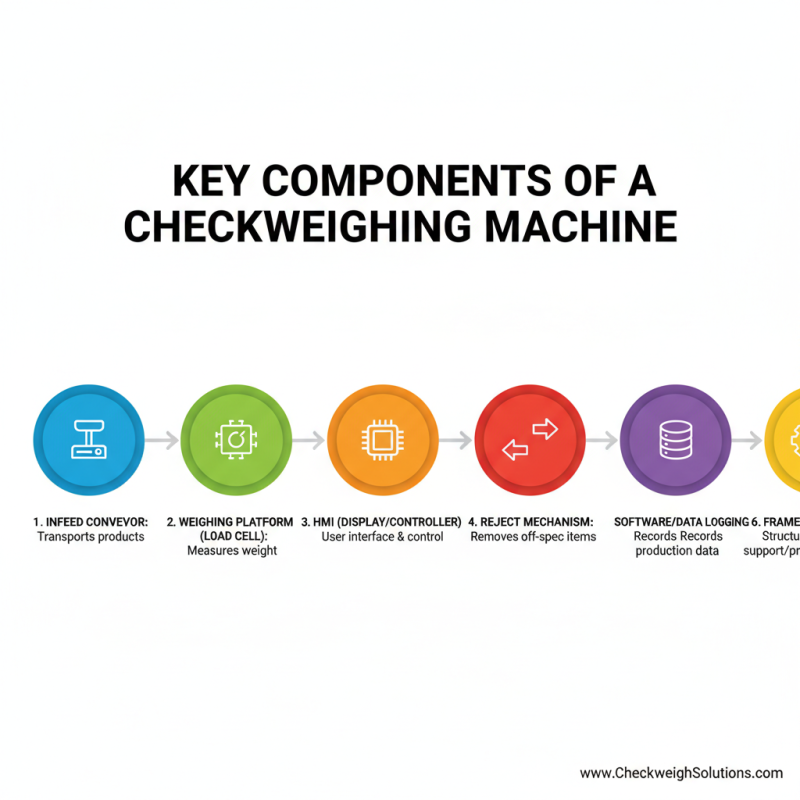
The design of checkweighing machines can vary. Some are highly automated, while others require manual input. Each machine uses load cells to accurately measure weight. A display panel shows the results in real time. This instant feedback allows operators to make quick decisions. It also reduces the risk of shipping incorrect amounts.
Despite their advantages, there are challenges. Calibration is crucial for accurate performance. Regular maintenance is needed to prevent errors. Operators must be trained to understand the machine's feedback properly. Misinterpretation can lead to production issues. Ensuring consistent weight checks is a continuous process. Thus, while checkweighing machines offer precision, they also require diligence and regular oversight.
How Checkweighing Machines Operate
Checkweighing machines play a crucial role in ensuring that products meet weight specifications. They are widely used in various industries, including food processing and pharmaceuticals. These machines help maintain quality standards and reduce wastage. The operation of checkweighing machines is straightforward. They use high-precision load cells to measure the weight of each item as it passes through the system.
When an item is weighed, the machine compares its weight against preset limits. If the weight falls within the acceptable range, the product is deemed satisfactory. If it is underweight or overweight, it is flagged for removal or further inspection. This process helps maintain compliance and quality control.
Tip: Regular calibration of checkweighing machines is essential. This minimizes errors and ensures accuracy. Small shifts in weight detection can lead to costly mistakes over time.
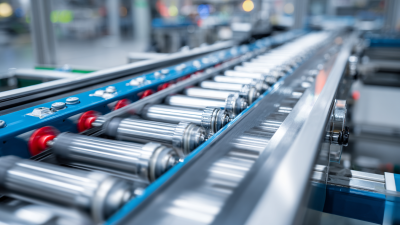
Another important aspect is the design of the conveyor system. The flow must be smooth to prevent jams or misreads. A poorly designed system can cause delays and increase operational costs. Observing the machine's performance over time can reveal areas for improvement. This reflection can enhance overall efficiency and reliability.
Applications of Checkweighing Machines in Industries
Checkweighing machines play a crucial role in various industries. Their primary function is to ensure that products meet weight specifications. This is vital for maintaining quality and compliance. The food and beverage sector heavily relies on these machines. According to a report by a leading industry analyst, about 75% of manufacturers use checkweighing machines to guarantee portion control and reduce waste.
In the pharmaceutical industry, the accuracy of weight is paramount. A small deviation can lead to serious compliance issues. Data indicates that 90% of pharmaceutical companies implement checkweighing solutions as part of their quality assurance processes. These machines provide real-time feedback, helping manufacturers adjust their operations swiftly. Yet, some companies still struggle with integration. This leads to inconsistent results, risking product integrity.
Checkweighing machines are also valuable in logistics. They verify package weights, which is essential for shipping and handling costs. Reports show that improper weight measurements can lead to a 10% increase in logistical expenses. Despite the advantages, companies must continuously refine their systems. Adjustments need to be made to accommodate changes in product lines and regulatory demands. Many businesses find this challenging, often requiring them to reassess their checkweighing processes.
What is a Checkweighing Machine and How Does It Work? - Applications of Checkweighing Machines in Industries
| Application Area |
Machine Type |
Measurement Range |
Accuracy |
Speed |
| Food Packaging |
Dynamic Checkweigher |
0.1g to 5kg |
±0.1g |
100 packs/min |
| Pharmaceuticals |
Static Checkweigher |
1mg to 2kg |
±0.01g |
20 items/min |
| Cosmetics |
Multi-head Checkweigher |
0.5g to 1kg |
±0.5g |
80 bottles/min |
| Chemical Industry |
Belt Checkweigher |
0.1g to 50kg |
±1.0g |
60 packs/min |
Advantages of Using Checkweighing Machines
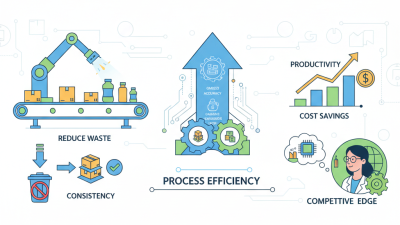
Checkweighing machines are essential tools in various industries. They ensure products meet weight specifications, which is vital for quality control. These machines help prevent underweight or overweight products. This accuracy improves customer satisfaction and reduces waste.
One major advantage of checkweighing machines is efficiency. Automated systems can handle high volumes quickly. Human errors are minimized, leading to consistent results. Users benefit from real-time data, helping them make informed decisions. Furthermore, data collected can highlight trends and issues in production processes.
Despite their benefits, some challenges arise. Machines require regular maintenance to function accurately. A lack of proper calibration can lead to incorrect readings. Staff training is essential for effective operation. It is crucial to address these potential shortcomings to fully leverage checkweighing technology.