China Best Fruit Sorting Machine for 2026 Canton Fair Insights?
The 2026 Canton Fair, set for April and May, promises exciting opportunities for industry professionals. Among the many innovations showcased, the Fruit Sorting Machine stands out. This machine plays a crucial role in optimizing the fruit sorting process, enhancing efficiency, and ensuring high quality.
With the integration of AI technology, attendees will experience advanced features that streamline operations. The fair introduces intelligent search functions. Buyers can quickly filter suppliers based on certifications like ISO and CE. This feature will significantly boost the efficiency of navigating the vast exhibition space of 1.55 million square meters.
Despite these advancements, challenges remain. Companies must constantly improve their Fruit Sorting Machine technology to meet shifting consumer demands. The competitive landscape necessitates ongoing reflection and innovation. As the fair unfolds, businesses should rethink their strategies and the role these machines play in their success.

China's Leading Fruit Sorting Technologies for 2026 Canton Fair
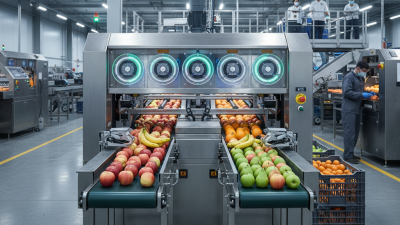
The 2026 Canton Fair will showcase cutting-edge fruit sorting technologies from China. This event promises innovation and efficiency in the fruit sorting industry. Attendees can expect to see machines that integrate advanced AI and machine vision systems. These technologies improve accuracy in sorting fruits by size, color, and ripeness.
One highlight is the enhancement of speed and capacity. With these machines, operations can handle large volumes of fruit in less time. However, challenges still exist. Not all machines adapt well to different fruit types. Some may struggle with delicate fruits or specific environmental conditions. The industry must address these gaps to ensure efficiency.
Moreover, there will be discussions around sustainability and energy efficiency. The push for greener technologies is growing. Many attendees will explore how to minimize waste and optimize energy usage. It’s an important dialogue. This fair represents an opportunity to reflect on industry practices and evolve. As technology advances, continuous improvement is essential.
Key Features of Best Fruit Sorting Machines in 2026
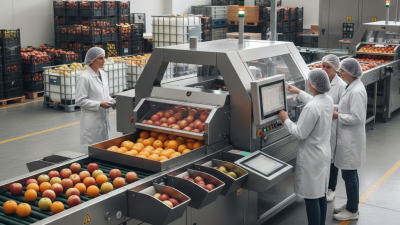
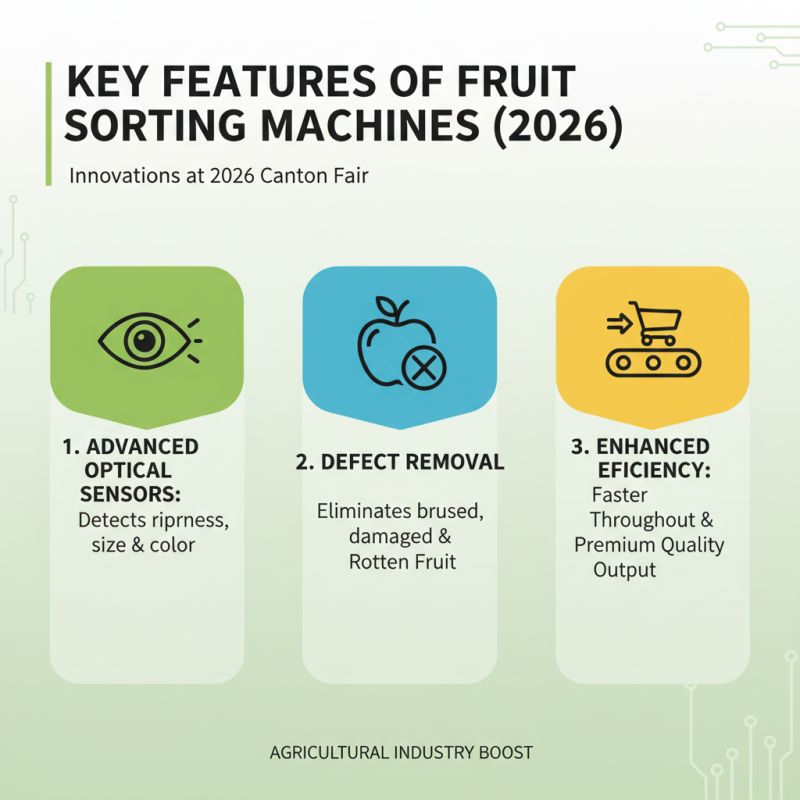
At the 2026 Canton Fair, fruit sorting machines are a focal point. These machines significantly enhance efficiency in the agricultural industry. Key features include advanced optical sensors that accurately identify fruit quality. This technology helps eliminate defects, ensuring only the best products reach consumers.
Another crucial aspect is the sorting speed. Many machines can handle thousands of pieces per hour. This rapid processing can reduce labor costs. However, some machines struggle with irregularly shaped fruits. It raises questions about their versatility in different agricultural settings.
User-friendly interfaces are essential too. Operators need to adjust settings easily. Some machines feature touchscreen controls, which simplify operation. Yet, the learning curve can be steep for new users. Despite these challenges, the potential benefits remain enticing for producers looking to elevate their sorting processes.
Innovative Solutions for Enhancing Fruit Quality and Efficiency
The 2026 Canton Fair will showcase innovative fruit sorting machines. These machines are crucial for enhancing fruit quality and efficiency. According to a recent industry report, nearly 30% of harvested fruits are rejected due to poor quality. This highlights the need for better sorting technologies.
Advanced sorting machines utilize AI and machine learning algorithms. They can analyze fruit size, color, and ripeness. This ensures a more accurate sorting process. Data from agricultural research suggests that using modern sorting machines can increase efficiency by up to 50%. This improvement means less spoilage and higher returns for farmers.
Yet, challenges remain. Many producers are hesitant to adopt new technology. They often face high initial costs and a lack of training. Despite these hurdles, the long-term benefits are clear. Enhanced fruit quality could lead to better market prices. As the industry evolves, addressing these concerns will be essential for widespread adoption.
Impact of Automation in Fruit Sorting Machines on Small Farms
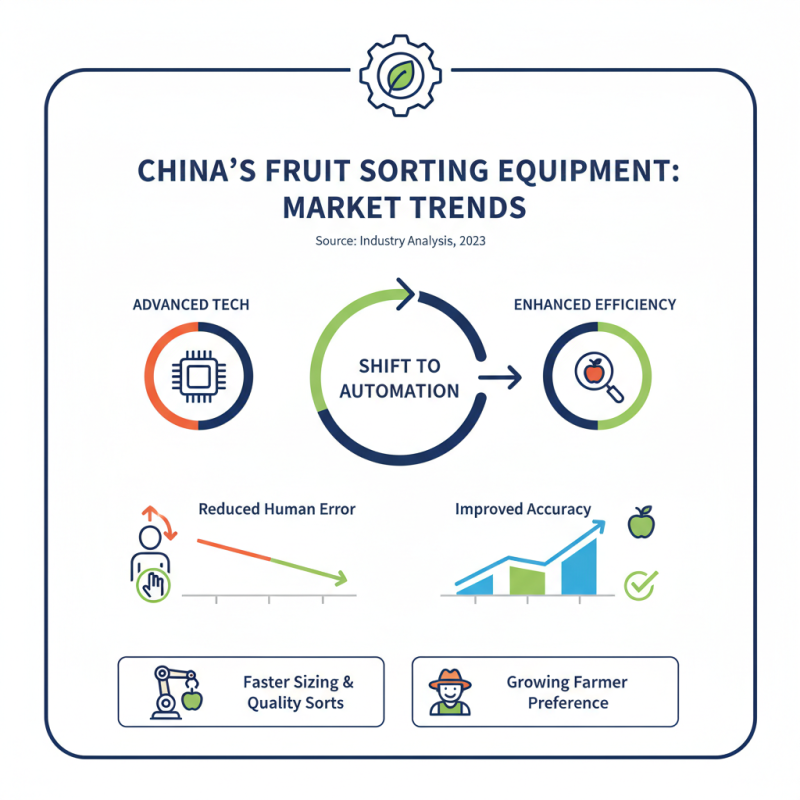
Automation in fruit sorting machines is changing small farms significantly. These machines simplify the sorting process, making it faster and more efficient. Farmers no longer need to rely solely on manual labor. This can lead to better quality control and higher profits. However, the transition to automation isn't without challenges. Some small farms may struggle to afford these technologies.
Tips: Consider starting small with one or two machines. Look for options that fit within your budget. Research grants that can help with financial support.
Automation often requires new skills. Farmers must be willing to learn how to operate new technologies. This can feel overwhelming, but the benefits can be substantial. Improved efficiency can lead to lower labor costs over time. Yet, some farm workers might feel threatened by their potential loss of jobs. Finding a balance is crucial.
Tips: Engage workers in the process. Offer training sessions to help them adapt. Encourage an open dialogue about concerns. By fostering a collaborative environment, farms can navigate the changes more smoothly.