How to Choose the Best Metal Detector Checkweigher for Your Needs?
Choosing the right Metal Detector Checkweigher can be a daunting task. With numerous models available, understanding your specific needs is essential. Each industry has unique requirements. A food manufacturer may prioritize compliance with safety standards, while a mining operation might focus on robustness and accuracy.
Consider your operating environment. Will the checkweigher face extreme temperatures or moisture? These factors significantly impact performance. Reliability should be at the forefront of your decision. You want a device that consistently delivers accurate results. Reading user reviews and consulting industry experts can provide valuable insights.
Be prepared to invest time in research. Not all checkweighers function the same. Some may not meet your precision standards. Reflect on your operational goals. A perfect fit exists, but it requires careful evaluation of features, costs, and support services. Ultimately, the right Metal Detector Checkweigher will enhance your production process and ensure product quality.
Understanding the Basics of Metal Detector Checkweighers
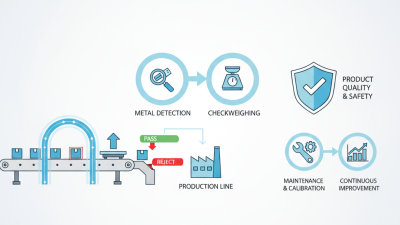
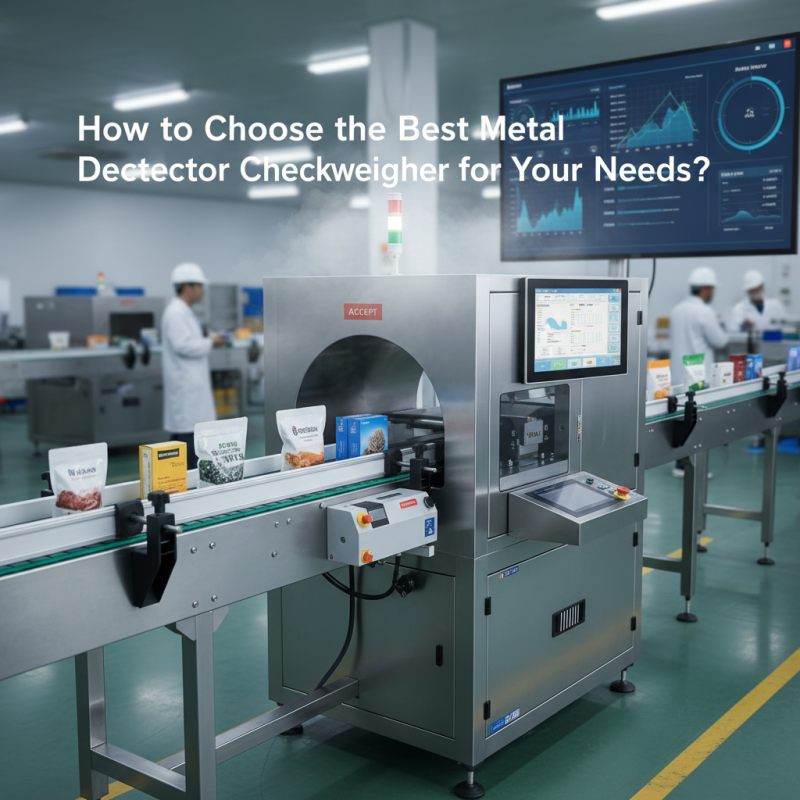
When considering a metal detector checkweigher, it's essential to understand how they work. These machines combine two functions: metal detection and weight measurement. This combination enhances product safety while maintaining quality control. Metal detectors identify foreign contaminants, while checkweighers ensure product weight consistency.
In choosing the right equipment, consider the specific needs of your operation. Different industries have unique requirements. For example, the food industry may demand stricter standards for hygiene. Meanwhile, pharmaceutical sectors might prioritize precision. Identifying these needs is crucial.
Think about the environment where the checkweigher will be used. Factors like temperature, humidity, and space should influence your decision. Perhaps your workspace is small, restricting larger machines. A compact model might be necessary. A larger machine could lead to inefficiencies. Always assess how equipment fits into your existing workflow, as this affects overall performance and reliability.
Metal Detector Checkweigher Performance Comparison
Key Features to Consider When Selecting a Checkweigher
When selecting a metal detector checkweigher, consider essential features to ensure it fits your specific needs. Accuracy is paramount. A highly accurate checkweigher minimizes errors. If the device is off even slightly, it can lead to significant issues later. Reliability is equally crucial. A model that frequently malfunctions can disrupt operations. This is an area worth reflecting on during your selection process.
Look for user-friendly interfaces. A complicated setup can waste time and lead to errors. Features such as touchscreens or intuitive controls are beneficial. Consider the weight range it can handle. If your products vary widely in weight, choose a versatile model. A checkweigher with adjustable parameters might help in this regard.
Another aspect to factor in is maintenance. A device that is hard to clean or service can add unnecessary costs. Regular upkeep is essential for optimal performance. Durability matters too, especially in industrial settings. Investing in a robust model may prevent frequent replacements. Keep these points in mind as you evaluate options, ensuring you choose wisely.
Evaluating Different Types of Metal Detector Checkweighers
When considering metal detector checkweighers, it's essential to evaluate the different types available. The two primary categories are conveyor and static systems.
Conveyor systems are often used in high-speed production lines. They offer continuous monitoring and integration with existing processes. Meanwhile, static systems are beneficial for smaller operations and offer flexibility in testing various products.
Data shows that a significant 30% of production losses arise from undetected metal contaminants. In industries like food processing, this can lead to severe consequences. Choosing the right checkweigher can dramatically reduce such risks. Look for systems equipped with advanced detection features. The sensitivity levels should meet industry standards to ensure effective monitoring.
Moreover, consider the user interface and data reporting capabilities. A complex design can lead to operator errors. Many industry experts recommend systems that allow easy data analysis. This helps in maintaining accuracy and compliance with safety regulations. Remember, investing time in evaluating options can save costs in the long run.
Assessing Your Specific Industry Needs and Standards
When selecting a metal detector checkweigher, it's essential to consider the unique needs of your industry. Different sectors such as food, pharmaceuticals, and packaging have distinct requirements that influence the choice of equipment. Understanding the specific regulations and standards that govern your industry will help narrow down your options. For example, in food production, compliance with hygiene and safety standards is critical. This often dictates the use of certain materials and technology in the checkweigher design.
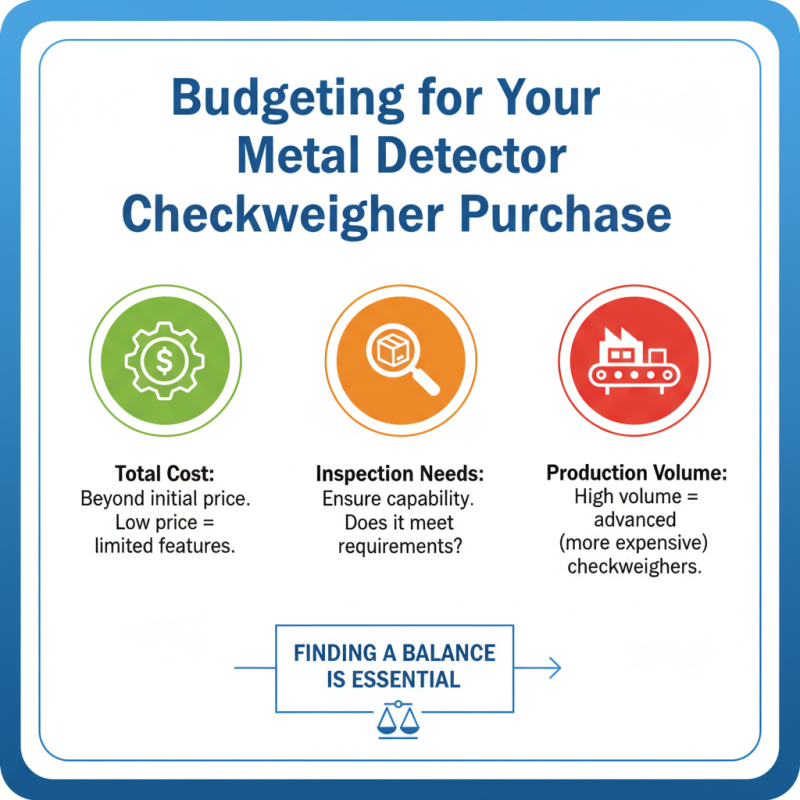
Accuracy and reliability are vital for ensuring quality control. You may want to prioritize machines with advanced sensing capabilities. These can detect even the smallest metal contaminants. However, it's important to remember that no system is foolproof. Regular maintenance and calibration are necessary to ensure optimal performance. This can sometimes lead to downtime, which might affect productivity. Reflecting on these challenges allows for better preparation and decision-making when investing in equipment that meets industry standards. Consider the balance between investment cost and the long-term benefits to maintain compliance and efficiency.