How to Choose the Best Chicken Sorting Machine for Your Needs?
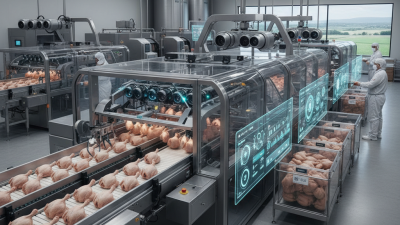
Choosing the right Chicken Sorting Machine is crucial for poultry businesses. In a market projected to reach $356 billion by 2028, efficiency is vital. Sorting machines enhance productivity by ensuring uniformity in size and quality. Improved quality leads to better consumer trust and increased sales.
Investing in technology can seem daunting. However, understanding the key features of sorting machines can simplify the process. Data from industry reports show that automated sorting can reduce labor costs by up to 30%. This factor makes a significant impact, particularly for small to medium-sized enterprises.
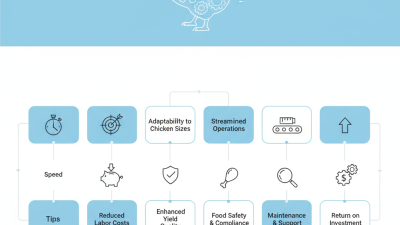
Each machine offers different sorting capabilities. It's essential to evaluate specific needs before committing. Consider factors like processing speed, size options, and maintenance. A well-chosen chicken sorting machine can ultimately streamline operations and improve profitability. However, be aware of potential pitfalls, such as underestimating maintenance requirements or overestimating production capacity. Making informed decisions will ensure a valuable asset for your business.
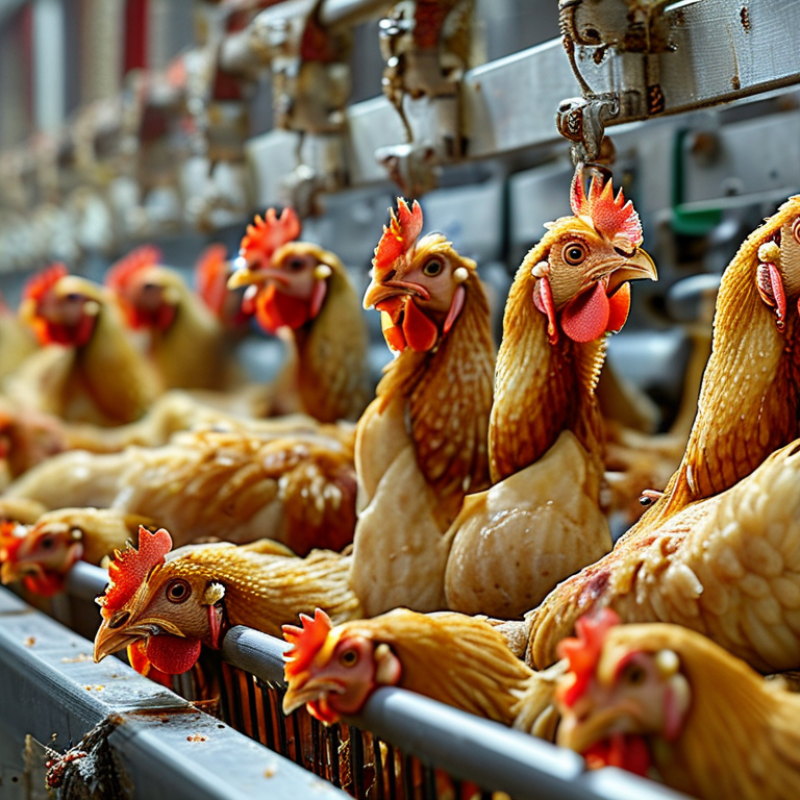
Understanding the Different Types of Chicken Sorting Machines
When selecting a chicken sorting machine, understanding the types available is crucial. Various machines cater to specific needs, influencing overall efficiency. For instance, some machines focus on size sorting, while others emphasize weight classification. Size sorting machines can handle different bird sizes, allowing for accurate separation based on dimensions. This feature helps in maintaining uniformity in processing.
Weight sorting machines are designed to provide precise weight classifications. They can help in achieving consistent pack weights, which is vital for businesses focused on compliance with regulatory standards. Users often report challenges in achieving the desired accuracy with some models. This can lead to overpacking or underpacking issues, which require careful consideration.
Moreover, automated systems are becoming popular for improving sorting accuracy. These machines can sometimes struggle to adapt to variations in chicken morphology. Manual intervention may still be necessary. It's essential for operators to evaluate the specific conditions of their processing environment. Understanding the limitations of each machine type and reflecting on past experiences can guide effective decision-making.
Comparison of Different Types of Chicken Sorting Machines
Key Features to Consider in a Chicken Sorting Machine
When choosing a chicken sorting machine, key features greatly influence your decision. The machine’s capacity is crucial. Many operations require machines that can effectively handle at least 15,000 birds per hour. A higher capacity often correlates with improved efficiency and better throughput.
Accuracy is another important factor. Modern sorting machines can achieve an accuracy rate of up to 99%. This precision reduces losses and ensures quality. Pay attention to the technology used in sensors. Infrared and weight-based sorting technologies enhance the performance of these machines. A comprehensive study found that implementations of advanced sorting technology can reduce labor costs by up to 20%.
Ease of maintenance shouldn't be overlooked. Machines that provide modular components allow for easy repairs and minimization of downtime. Regular maintenance can prevent costly damages. Furthermore, consider the machine's adaptability to various sizes and weights. Some studies suggest that flexibility in handling different chicken types can increase operational versatility, making it an investment worth considering.
Assessing Your Production Needs for Optimal Machine Selection
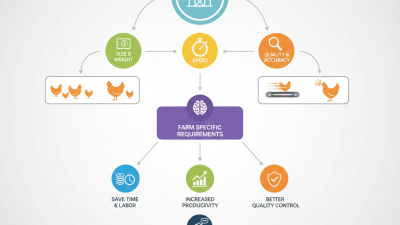
Selecting the best chicken sorting machine involves careful assessment of your production needs. Understanding your operational scale is crucial. According to industry reports, facilities with high throughput often require machines that can handle over 10,000 chickens per hour. Smaller operations, on the other hand, may only need machines that sort 2,000 to 5,000 birds per hour. The key is aligning machine capacity with your production goals.
Consider the specific features that enhance efficiency. Machines with adjustable sorting mechanisms can accommodate various sizes and weights of chickens. Reports indicate that implementing automated sorting increases accuracy by 25%, reducing labor costs. However, reflect on your current setup. If the machine does not integrate well with existing systems, it may lead to bottlenecks. This could cost time and money, especially during peak production periods.
Evaluating supplier support is just as vital. A machine’s efficiency is only as good as the maintenance it receives. Look for manufacturers who offer comprehensive training programs and accessible customer service. Some reports suggest that a lack of proper training can lead to a 30% decrease in machine effectiveness. Investing time in understanding your unique sorting requirements is essential for achieving optimal production outcomes.
Evaluating Budget and Cost-Effectiveness for Sorting Equipment
When selecting a chicken sorting machine, budget plays a crucial role. It's essential to evaluate the initial cost and long-term expenses. High-quality machines might seem expensive upfront, but they often save money on labor and errors over time. Consider total cost of ownership, which includes maintenance and operational efficiency. A machine that is efficient reduces waste and maximizes productivity, directly impacting your bottom line.
Different machines offer various features at different price points. Understanding your operational needs is vital. Are you sorting by size, weight, or quality? Machines designed for multiple purposes might cost more but can enhance overall efficiency. Sometimes, less expensive models may not suit all your requirements, leading to higher costs down the line. Balancing initial investment with future returns requires careful thought.
Analyze the reputation of suppliers and their products. Seek feedback from users and industry experts. A lower-cost machine may not deliver the reliability you need. Unreliable equipment can disrupt operations, leading to loss. Establishing a clear budget while investing in quality is key, keeping in mind the long-term impact on your operations. Each decision should target efficiency and reliability in sorting processes.
How to Choose the Best Chicken Sorting Machine for Your Needs? - Evaluating Budget and Cost-Effectiveness for Sorting Equipment
| Machine Model |
Sorting Capacity (chickens/hour) |
Price ($) |
Energy Consumption (kW) |
Maintenance Cost ($/year) |
Warranty (years) |
| Model A |
1500 |
25000 |
5 |
500 |
3 |
| Model B |
2000 |
30000 |
6 |
700 |
5 |
| Model C |
1800 |
28000 |
5.5 |
600 |
4 |
| Model D |
1600 |
24000 |
4.5 |
450 |
3 |
Maintenance and Support Considerations for Chicken Sorting Machines
When choosing a chicken sorting machine, maintenance and support are crucial considerations. Reports indicate that proper maintenance can improve machine lifespan by 20%. Regular inspections and cleaning can prevent costly breakdowns. The initial investment in high-quality machines can be undermined by poor upkeep. Hence, understanding the maintenance requirements from the outset is essential.
Support from the manufacturer is also vital. A survey found that 75% of users value accessible technical support when problems arise. Delays in resolving issues can lead to production losses. Manufacturers that offer comprehensive training and resources facilitate better usage. Many operators struggle with complex systems, leading to inefficiencies. Proper support can mitigate these challenges.
Inadequate maintenance can lead to a 30% reduction in efficiency. Operators must be trained to spot potential issues early. Regularly scheduled service can prevent minor problems from escalating. Choosing a machine with a strong support network can provide peace of mind. Lastly, operators must be willing to adapt and learn continuously.