How to Choose the Best Electronic Balance for Your Needs?
Choosing the right Electronic Balance can significantly impact your work efficiency and accuracy. According to a recent report by the National Institute of Standards and Technology, nearly 30% of laboratory errors are linked to improper balance calibration. These figures underscore the importance of selecting a precise Electronic Balance that meets specific requirements.
Dr. Jane Phillips, a renowned expert in analytical instrumentation, emphasizes, "The right balance is crucial for achieving reliable results in any lab setting." Her insights reflect the perspectives of many professionals who recognize that not all balances serve every purpose. The market offers a variety of options, each tailored to different tasks—from high-sensitivity balances for microanalysis to rugged models for industrial use.
Selecting an Electronic Balance involves careful consideration of various factors: capacity, precision, and features. Users often struggle with the numerous choices available. This complexity can lead to suboptimal decisions, affecting both accuracy and productivity in laboratory results. Understanding your specific needs is essential for making an effective choice. A thoughtful approach can help avoid potential pitfalls and enhance measurement reliability.
Understanding the Different Types of Electronic Balances Available
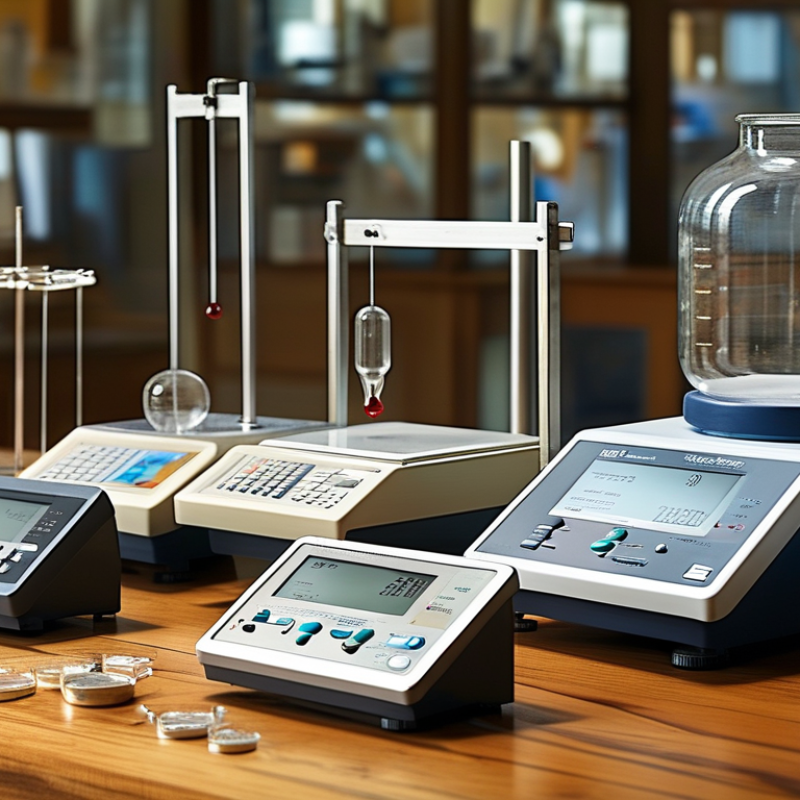
When choosing an electronic balance, understanding the different types available is crucial. There are several categories.
Analytical balances offer high precision, making them ideal for laboratory work.
They typically measure weight with an accuracy of 0.0001 grams. This level of precision is necessary for chemical experiments. However, such detailed measurements can be sensitive to environmental conditions.
Precision balances, on the other hand, provide a good balance between accuracy and ease of use.
They are suitable for general laboratory applications and can typically measure weights within a range of 0.01 grams. These balances usually have simple user interfaces, making them more accessible for various users. However, they may not suffice for highly sensitive tasks.
Tips: Always consider the environment. High winds or vibrations can affect readings. Keep balance surfaces clean to ensure accurate measurements.
Another option is the moisture analyzer, designed for specific applications.
These balances not only measure weight but also analyze moisture content. They are particularly useful in the food industry. However, users should be cautious of calibration methods. Regular maintenance is essential for accurate results.
For any type of balance, investment in training can enhance reliability and understanding.
Only with proper knowledge can users avoid common pitfalls.
Key Features to Consider When Selecting an Electronic Balance
When selecting an electronic balance, precision is paramount. Look for balances with a readability of at least 0.001 grams. According to recent industry reports, balances with higher resolution can significantly improve the accuracy of measurements. This is especially crucial in laboratories where even a small discrepancy can lead to incorrect results.
Capacity is another key feature. Balances should match the weight range of your typical samples. Data suggests that balances with capacities of 200 grams to 2,000 grams are most common in research settings. However, consider your specific needs. A balance that cannot handle larger loads may not meet your requirements effectively.
Ease of use affects productivity. A balance should have a user-friendly interface, simple calibration procedures, and clear displays. Reports indicate that user errors, often stemming from complicated setups, can lead to inconsistent data. While many balances offer advanced features, sometimes simplicity can enhance reliability. Don’t overlook the importance of service and support as well. A good warranty can save you time and money if issues arise.
Identifying the Required Precision and Capacity for Your Needs
When selecting an electronic balance, precision and capacity are crucial factors. Precision refers to how accurately a balance can measure weight. This is vital in labs, where a small variance can affect results. For example, when weighing chemicals, even minor errors can lead to incorrect conclusions. Making a choice requires evaluating the level of precision needed for specific tasks.
Capacity, on the other hand, refers to the maximum weight a balance can measure. If you work with materials that vary significantly in weight, consider both the lower and upper limits. A balance that can only measure small weights may not suffice for larger samples. Additionally, sometimes balances can be too robust for lighter items, leading to inaccuracies.
Take into account your usual measurement range. If your applications often involve a mix, selecting flexibility should be a priority. Balances are not one-size-fits-all. Reflect on your requirements and observe how often you need different features. A thoughtful assessment can lead to better choices.
Evaluating Cost and Brand Reputation in Electronic Balances
When selecting the right electronic balance, cost and brand reputation play crucial roles. A recent industry report indicates that approximately 45% of buyers prioritize price over all other factors. However, balancing cost and quality is imperative. It's not just about finding the lowest price.
Brand reputation can significantly influence performance and reliability. Research shows that established brands typically offer advanced calibration features and better user support. A study from the Journal of Analytical Chemistry found that products from well-regarded brands had a 30% lower error rate in measurements compared to newer or lesser-known brands. This factor cannot be overlooked when accuracy is critical for your needs.
Cost considerations often require examining long-term value. A cheaper balance may save money upfront but could lead to increased costs due to repeated calibrations or replacements. Users should also consider warranty periods. Reports suggest that balances with longer warranties are often more reliable. Investing in a reputable brand could save money and provide peace of mind in the long run. Buyers must reflect on whether they’re prioritizing price or long-term functionality.
How to Choose the Best Electronic Balance for Your Needs?
| Feature |
Importance Level |
Typical Price Range ($) |
Warranty Period (Years) |
| Maximum Capacity |
High |
100 - 500 |
2 |
| Readability (Precision) |
High |
150 - 800 |
1 |
| Calibration Type |
Medium |
50 - 300 |
1 |
| Display Type |
Medium |
30 - 200 |
2 |
| Portability |
Low |
20 - 150 |
1 |
| Connectivity Options |
Medium |
100 - 600 |
2 |
Maintenance Tips for Enhancing the Longevity of Your Scale
Maintaining an electronic balance is crucial for its longevity and accuracy. Regular upkeep can make a considerable difference in performance. Start by keeping the balance clean. Dust and residues can affect measurements. Wipe the surface with a soft cloth regularly. Avoid using harsh chemicals, as they can damage sensitive components.
Another essential tip is to calibrate the scale periodically. Calibration ensures that your measurements are precise. Depending on the use, consider calibrating monthly or bi-annually. Follow the manufacturer’s guidelines for calibration weights. This step can sometimes be overlooked, leading to inaccurate results.
Lastly, be mindful of the environment in which your balance operates. Excessive humidity or temperature fluctuations can impair functionality. Ideally, use the balance in a stable, controlled environment. Also, avoid placing heavy objects on the balance surface when not in use, as it may cause mechanical issues over time. Small adjustments can significantly impact your scale’s accuracy and lifespan.
How to Choose the Best Electronic Balance for Your Needs?
This chart illustrates the key factors to consider when choosing an electronic balance along with their importance ratings based on user feedback.