10 Tips for Effective Use of Automatic Checkweigher in Your Production Line?
In today’s fast-paced production environments, the integration of an Automatic Checkweigher is crucial. This tool ensures product consistency and compliance with industry standards. According to a recent report from the Food and Drug Administration (FDA), 80% of product recalls stem from weight inaccuracies. Thus, the accurate usage of Automatic Checkweighers can significantly reduce this risk.
Expert Jane Thompson, a renowned leader in packaging automation, states, “Employing an Automatic Checkweigher not only enhances efficiency but also boosts consumer trust.” Her insights highlight the importance of reliable weighing systems in maintaining brand reputation. However, despite the clear benefits, many companies struggle with the effective implementation of these systems.
Workers often face challenges, such as calibrating the devices or interpreting weight data. These nuances can compromise accuracy if not addressed. Understanding these pitfalls is vital to maximizing the potential of Automatic Checkweighers. Continuous training and awareness can lead to significant improvements in monitoring product quality.
Understanding the Functionality of Automatic Checkweighers in Production
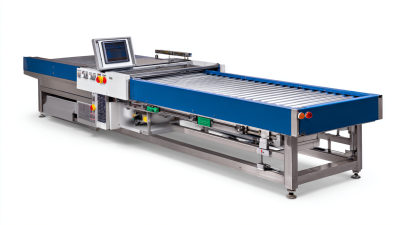
Automatic checkweighers are crucial in modern production lines. They provide an automated solution to ensure product weight accuracy. This enhances quality control and minimizes waste in manufacturing. The primary function of these machines is simple: weigh products as they move along the production line. They capture data in real time, helping to identify discrepancies in weight.
Understanding how these devices work is essential. They utilize advanced sensors and software. This technology allows for quick adjustments based on pre-set weight tolerances. However, achieving optimal performance requires careful calibration and regular maintenance. Operators need training to respond to errors, as a miscalibrated machine can lead to significant losses.
It's also important to consider the limitations. Not every product type may be suitable for automatic checkweighers. Bulkier or irregularly shaped items can pose challenges. Frequent troubleshooting may be necessary. Continuous monitoring and adjustments keep the system running smoothly and provide reliable results.
Key Factors to Consider When Selecting an Automatic Checkweigher
When selecting an automatic checkweigher, several key factors deserve attention. Precision is paramount. A checkweigher should meet industry standards, typically offering an accuracy of ±0.5 grams. This level of precision ensures compliance with regulatory requirements. According to industry reports, inaccurate weight measurements can lead to substantial financial loss, with some companies estimating losses up to $1 million annually due to weight discrepancies.
Speed is another critical element. An optimal checkweigher should process a minimum of 100 products per minute. This throughput directly affects production efficiency. However, faster isn't always better. A balance between speed and accuracy must be achieved to avoid false rejects. Research indicates that false rejects can waste up to 4% of products on the line, increasing operational costs.
Additional considerations include software capabilities, ease of use, and maintenance requirements. User-friendly interfaces can enhance operator efficiency, while advanced software can integrate with existing systems. Many companies struggle with integration challenges, often leading to system downtime. Regular maintenance schedules, typically recommended every six months, help preserve the checkweigher's accuracy and longevity. Balancing these factors is essential for maximizing return on investment.
10 Tips for Effective Use of Automatic Checkweigher in Your Production Line
| Tip |
Description |
Key Factor |
| 1. Define Weighing Specifications |
Establish clear weight limits and tolerances for products to ensure accuracy. |
Weight Range |
| 2. Consider Throughput Requirements |
Assess production rates to choose a checkweigher with suitable speed. |
Speed |
| 3. Evaluate Product Types |
Different products require different checkweighing solutions, consider their shape and packaging. |
Product Compatibility |
| 4. Choose the Right Technology |
Consider different types of checkweighers (dynamic, static, etc.) and their applications. |
Technology Type |
| 5. Ensure User-Friendly Interface |
Select a model with an intuitive interface for ease of use by operators. |
User Experience |
| 6. Regular Maintenance |
Implement a routine maintenance schedule to ensure consistently accurate performance. |
Maintenance Plan |
| 7. Integrate with Production Line |
Ensure the checkweigher fits well within the existing workflow for maximum efficiency. |
Integration |
| 8. Data Management |
Consider systems to collect and analyze data for quality assurance purposes. |
Data Tracking |
| 9. Training Operators |
Properly train staff to maximize the capabilities of the checkweighing system. |
Staff Training |
| 10. Compliance Standards |
Ensure the checkweighing system meets all relevant industry and safety standards. |
Regulatory Compliance |
Best Practices for Calibrating Your Checkweigher Regularly
Calibrating your checkweigher regularly is crucial for maintaining accuracy in your production line. Every scale can drift over time due to various factors. Temperature changes, humidity, and mechanical wear can all affect performance. Monitoring these elements is essential to ensure the checkweigher operates effectively. A well-calibrated machine minimizes product waste and prevents costly errors.
Aim to conduct calibration at least once a week, or more frequently if production volumes are high. Visual inspection can reveal signs of wear on crucial parts. If discrepancies arise during tests, it signals the need for adjustment. Use certified weights for calibration to ensure reliability. Document each calibration session, noting any adjustments made. This record can help trace any future inaccuracies back to their source.
Reflection on the calibration process is vital for continuous improvement. Regularly involving your team in this practice fosters a culture of accountability. They can provide insights on any operational challenges faced. Encourage them to share their experiences and identify areas for improvement. Learning from past calibration results can enhance overall efficiency while reducing downtime.
Integrating Checkweighers into Your Production Workflow Efficiently
Integrating automatic checkweighers into your production workflow can significantly enhance efficiency. Start by analyzing your current processes. Identify where the checkweighers can be seamlessly introduced. Mapping out these areas helps in understanding the impact and setting clear goals. It’s essential to train your team on how to use the machines correctly. Their experience will directly affect your production line's performance.
Regular maintenance avoids unexpected breakdowns. Scheduled check-ups ensure the equipment remains reliable. However, even the best systems can fail. A contingency plan helps keep the workflow steady during technical issues. Incorporating data analysis is also beneficial. Monitor weight variations closely to identify trends and make adjustments. Error tracking can pinpoint problems in your production line that need reevaluation.
Creating a feedback loop enhances your process. Encourage operators to share their observations. This insight is invaluable, helping refine your approach continually. Be prepared for initial challenges when implementing new technology. Learning from these hurdles fosters improvement and can lead to greater reliability in the long run. Ultimately, the goal is a smooth, efficient production with minimal disruptions.
Training Staff on the Optimal Use of Automatic Checkweighers
Training staff on the optimal use of automatic checkweighers is crucial for any production line. Staff should be well-versed in the equipment's capabilities. They need to understand how weight variations can impact product quality. Regular training keeps the team aligned with best practices. Training should include hands-on sessions. This practical approach helps staff find common issues that can lead to inaccuracies.
Encouraging staff to monitor readings actively fosters vigilance. They should know how to reset machines and calibrate them correctly. A miscalibrated checkweigher spoils batch accuracy. Therefore, regular refresher courses are necessary. Staff should be encouraged to share insights from their experience. This collaboration can lead to improved efficiency across the board.
It is essential to review processes regularly. Training gaps may surface over time. Not all team members may be equally confident. Open discussions help identify these weaknesses. A continuous improvement mindset must be cultivated. When staff feel empowered, they contribute more effectively to the production line.