Top 5 Tips for Choosing a Combination Weighing Machine?
When selecting a Combination Weighing Machine, understanding its importance is crucial. The global market for these machines is projected to grow significantly, with a CAGR of over 5% by 2027, according to industry reports. This growth reflects increasing demand across sectors like food, pharmaceuticals, and logistics. A reliable combination weighing machine enhances efficiency and accuracy in weighing processes, crucial in maintaining quality control.
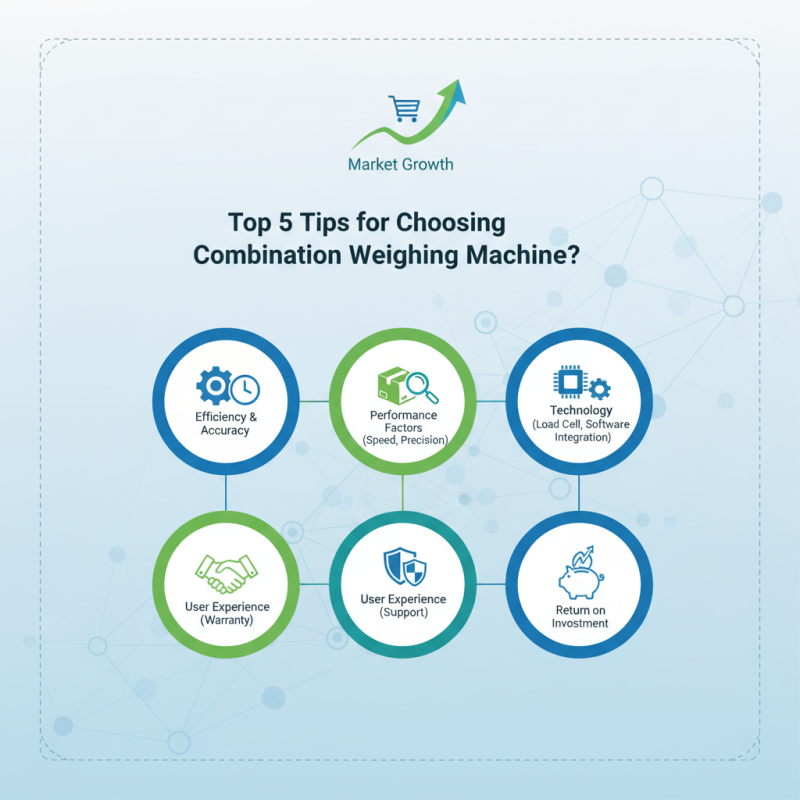
To make an effective choice, one must consider various factors that influence performance. Not all machines offer the same capabilities. Some may struggle with speed or precision, leading to potential loss in productivity. Additionally, factors like load cell technology and software integration play a critical role in ensuring optimal operation. It's essential to evaluate each option critically to avoid costly mistakes in the future.
Moreover, the user experience can vary greatly between brands. Service support and warranty options significantly impact long-term satisfaction. A well-chosen combination weighing machine not only streamlines operations but also provides a return on investment. Keep these insights in mind to guide your selection process effectively.
Understanding the Basics of Combination Weighing Machines
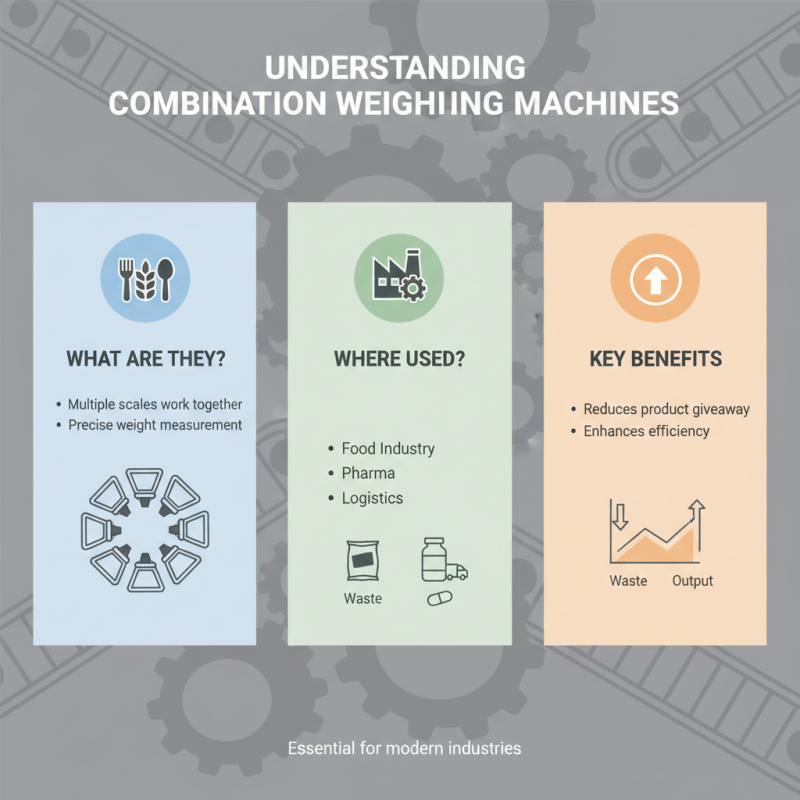
Combination weighing machines are essential in various industries, including food, pharmaceuticals, and logistics. Understanding their basics is crucial for effective operation. These machines utilize multiple scales to achieve precise weight measurements. This technology significantly reduces product giveaway, enhancing efficiency.
According to recent industry reports, combination weighing machines can achieve accuracy levels of up to 99.9%. This precision is vital in minimizing production errors. Companies using these machines have reported a reduction in waste by 10-15%. As production standards rise, the demand for reliable weighing solutions increases.
However, not all combination weighing machines are suitable for every application. Choosing the right model is complex. Factors such as construction material, speed, and environmental conditions can affect performance. Some machines may struggle in humid environments, impacting their accuracy. It's essential to assess these variables to ensure the right fit for your needs.
Assessing Your Weighing Needs and Requirements
When assessing your weighing needs, consider the scale of your operations. Are you a small business or part of a large facility? The volume of goods you handle will impact your choice. High-traffic environments may require machines with faster processing times. Slow machines can cause delays, leading to decreased productivity.
Next, evaluate the types of products you'll weigh. Are they liquids, solids, or a mix? This factor plays a crucial role in selecting the right machine. For instance, some machines are designed for bulk items while others cater to smaller, more precise measurements. The choice can directly affect your accuracy and efficiency.
Don’t overlook the importance of ease of use. A complex machine might deter staff from using it properly. Training can take time and resources. A user-friendly interface can improve productivity and reduce mistakes. Reflecting on your team's skills is vital in this decision-making process. Make sure you choose a machine that aligns with their capabilities.
Top 5 Tips for Choosing a Combination Weighing Machine
| Tip |
Description |
Key Considerations |
Benefits |
| Assess Your Needs |
Determine the weight range and types of products you need to weigh. |
Capacity, dimensions, and material of the items. |
Ensures the machine meets your specific requirements. |
| Consider Speed and Accuracy |
Look for a machine that balances speed and accuracy for your operations. |
Required throughput and acceptable error margins. |
Improves efficiency without sacrificing precision. |
| Evaluate Usability |
Choose a machine with a user-friendly interface for quick operation. |
Ease of training staff and frequency of use. |
Reduces training time and operational errors. |
| Maintenance Support |
Check for availability of service and maintenance options. |
Service response time and parts availability. |
Minimizes downtime and extends equipment lifespan. |
| Budget Considerations |
Establish a budget that includes initial purchase and operating costs. |
Total cost of ownership and long-term value. |
Ensures financial feasibility and return on investment. |
Evaluating Accuracy and Precision Features
When selecting a combination weighing machine, accuracy and precision are paramount. Accuracy refers to how closely a measurement aligns with the actual weight. Precision, on the other hand, indicates how consistently a machine provides the same results under the same conditions. In many settings, even slight deviations in weight can lead to significant issues, from financial losses to customer dissatisfaction. Therefore, understanding these traits is crucial for any buyer.
One key feature to consider is the machine's calibration process. Regular calibration can markedly improve performance. Some models require manual adjustments, while others offer automatic calibration. This difference can affect usability in busy environments. It’s also important to assess the scale's repeatability. A good machine should display consistent results over multiple weighings. Variability can signal underlying issues with the machine or its settings.
Another aspect is the environment where the machine will operate. Vibration, temperature, and humidity can affect measurements. Machines designed for rugged conditions often come with built-in features to compensate for these environmental factors. Not all machines handle variability well. Testing different models in realistic settings can shed light on their strengths and weaknesses. This practical knowledge can inform better choices.
Examining the Build Quality and Durability
When selecting a combination weighing machine, examining its build quality and durability is crucial. Quality construction directly impacts accuracy and longevity. A robust machine is often made from high-grade materials, which can withstand daily wear and tear. According to industry reports, machines with a higher gauge steel frame tend to last 30% longer than those made from lower-grade metals. Durability is not just about materials; it also involves solid components and seamless assembly.
Pay attention to the machine's weight tolerance and sensitivity. Models designed for heavy use must maintain accuracy under stress. A report by the Weighing Technology Association reveals that nearly 25% of inaccuracies in weighing arise from poor build quality. Investing in a well-built machine minimizes these discrepancies. Some machines come with protective coatings that enhance resistance to corrosion and dust. This feature is essential for environments exposed to harsh conditions.
Additionally, consider the design for ease of maintenance. A complicated structure often leads to more frequent repairs. Data shows that up to 40% of downtime in industrial settings results from inadequate maintenance access. Constructed with user-friendly designs may not only improve durability but also enhance operational efficiency. Reflect on these factors when choosing a machine; the right choice can provide significant long-term benefits.
Durability Ratings of Combination Weighing Machines
Considering Budget and Long-term Investment Value
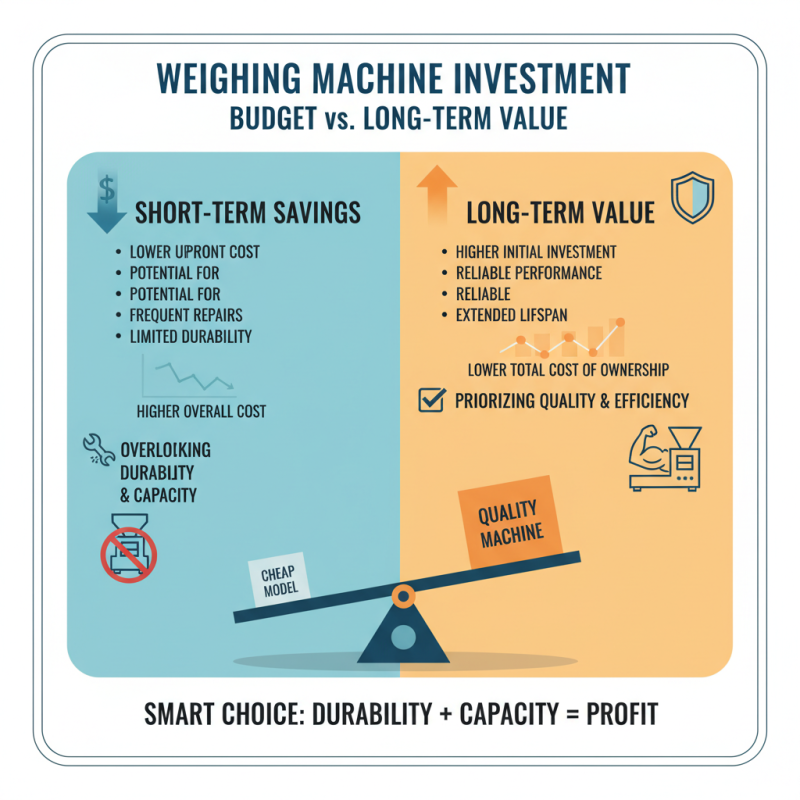
Choosing a combination weighing machine requires thoughtful consideration, especially regarding budget and long-term investment value. According to industry reports, businesses often overlook the importance of durability and capacity in their initial purchases. A machine that costs less upfront may not withstand heavy daily use, leading to higher maintenance costs over time.
Data reveals that approximately 30% of businesses regret their initial choices because they prioritized price over quality. Investing in a reliable combination weighing machine often results in reduced downtime and increased operational efficiency. A study showed that reliable machines can boost productivity by up to 20%. Selecting a machine that offers flexible features and scalability is essential, as this versatility can extend the life and value of your investment.
When evaluating costs, potential downtime should be a crucial factor. Machines with lower maintenance rates often yield better long-term savings. Businesses should also consider available support services. According to market analysis, firms that invest in machines with comprehensive service agreements report fewer operational interruptions. This aspect often leads to a more sustainable balance between initial expense and ongoing operational costs.