Top 10 Benefits of Using Roller Checkweigher for Accuracy?
In the fast-paced world of manufacturing and logistics, precision is vital. This is where the Roller Checkweigher shines. Experts like Dr. Sarah Miller, a leading authority in industrial automation, state, "Using a Roller Checkweigher can significantly enhance accuracy in weighing processes." Her insights underline the growing importance of this technology.
Roller Checkweighers ensure consistent weight measurements, reducing costly errors. They excel in high-speed environments, where traditional scales struggle. Manufacturers are increasingly adopting this equipment to meet stringent quality standards. The reliability of Roller Checkweighers contributes to efficient production and minimizes waste.
However, integrating new technology always poses challenges. Some industries may resist adopting Roller Checkweighers due to initial costs or training requirements. Yet, considering the long-term benefits, the investment often pays off. Accurate weighing can lead to better inventory management and enhanced customer satisfaction.
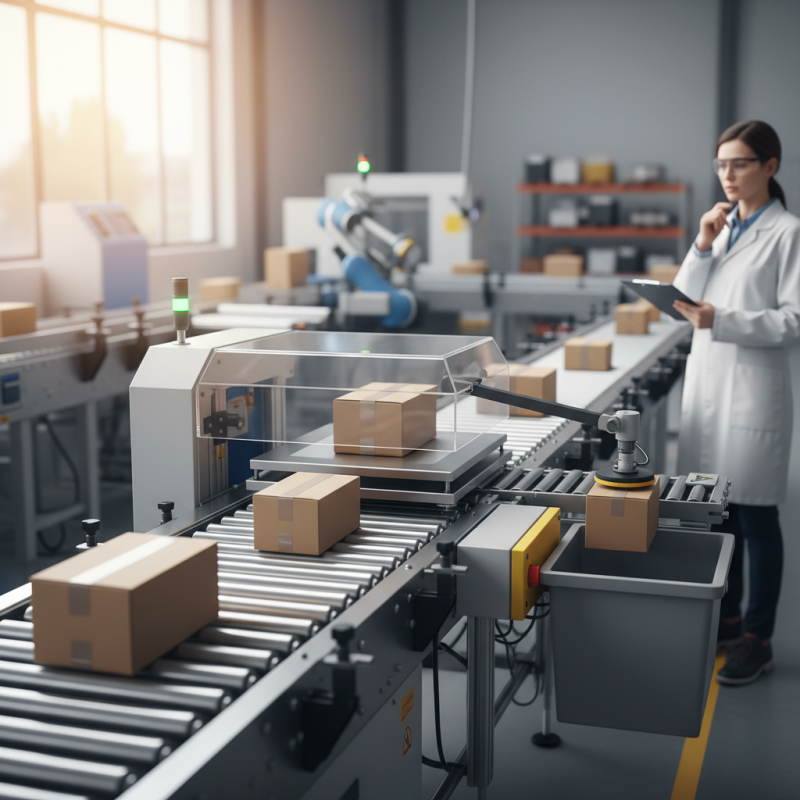
Benefits of Enhanced Weight Measurement Precision with Roller Checkweighers
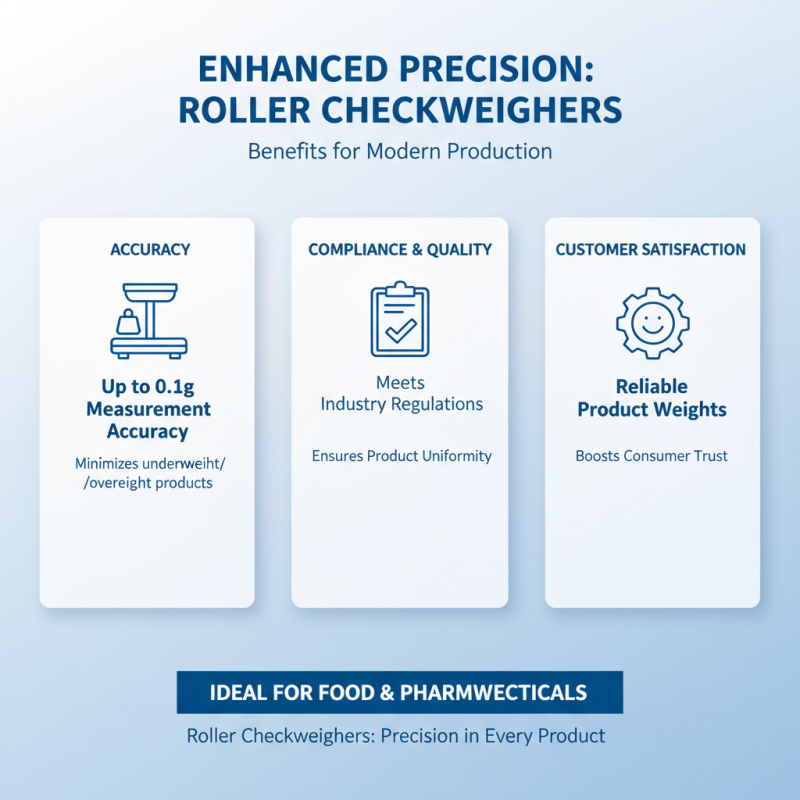
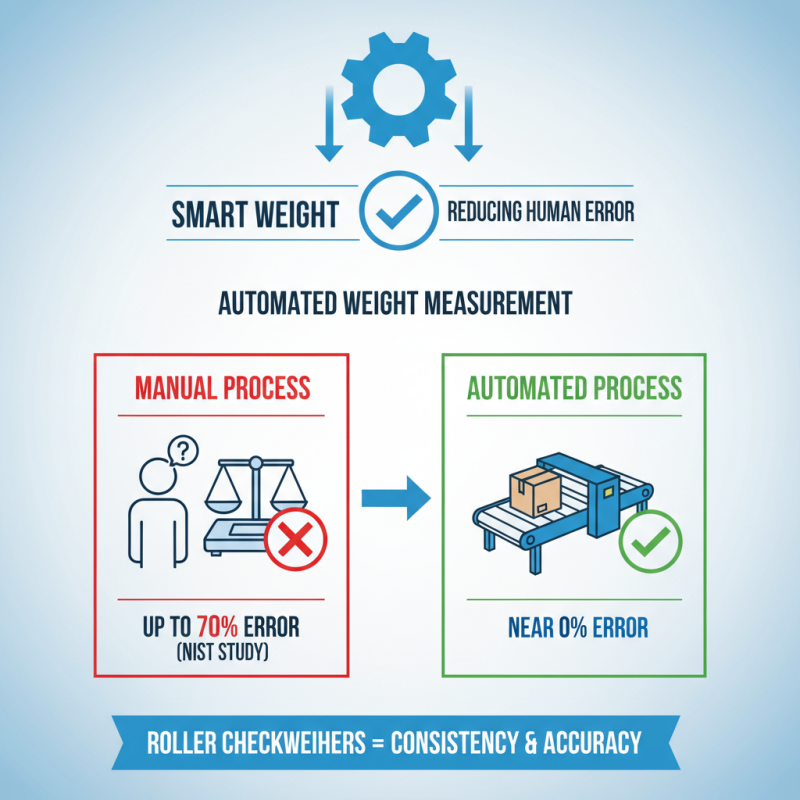
Roller checkweighers offer remarkable enhancements in weight measurement precision. Their design minimizes the risk of underweight or overweight products during production. According to industry reports, these systems achieve a measurement accuracy of up to 0.1 grams, which is crucial for sectors like food and pharmaceuticals where precision is paramount. Accurate measurements not only ensure compliance with regulations but also enhance customer satisfaction.
In the fast-paced manufacturing environment, consistent weight measurements can significantly reduce material waste. A study by the National Institute of Standards and Technology indicated that manufacturers could save up to 5% on raw materials by utilizing advanced checkweighing technology. While these benefits are significant, it is essential to note that calibration and regular maintenance of equipment are necessary. Neglecting these aspects can lead to discrepancies in measurements over time, raising concerns about product quality.
Moreover, roller checkweighers facilitate rapid assessment of weight, increasing production line efficiency. However, improper setup or user errors can impact their effectiveness. Identifying and addressing these issues can improve reliability, yet many industries still overlook them. In conclusion, while roller checkweighers bring many advantages, careful implementation and upkeep are critical to fully realizing their potential.
Improvement in Production Efficiency with Fast Checkweighing Processes
The roller checkweigher is a game changer for many manufacturing processes. Its speed and precision enhance production efficiency significantly. By accurately measuring the weight of products during the conveyor process, it allows for immediate corrections. This means that products that do not meet weight specifications are addressed instantly, reducing waste.
Additionally, the fast checkweighing processes can streamline operations. Employees are not halted by lengthy weighing routines. Instead, they focus on other critical tasks. This shift can lead to a more productive workplace. However, it's essential to maintain the machinery regularly. Over time, wear and tear can affect performance. Operators should also be trained adequately to ensure the system is used correctly; otherwise, errors may arise.
In real-world applications, numerous manufacturers have noted improved workflows. The integration of roller checkweighers allows for faster production cycles without sacrificing quality. But, some companies must also overcome initial resistance to change. Employees accustomed to traditional weighing methods may need guidance. Despite potential challenges, the shift can create significant long-term benefits.
Integration Capabilities of Roller Checkweighers in Production Lines
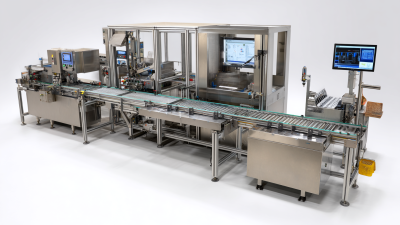
Integration of roller checkweighers in production lines enhances precision and efficiency. These systems seamlessly blend into existing setups. They fit easily alongside conveyors and filling machines. This integration minimizes interruptions during operations. Manufacturers can achieve real-time weight checks without halting processes.
The ability to collect data adds another layer of value. Roller checkweighers provide immediate feedback on product weight. This helps operators adjust processes on the fly. However, the implementation can be complex. Employees must be trained to operate the systems effectively. If not, errors could lead to inconsistent results.
Moreover, maintaining these checkweighers is vital. Regular calibration is necessary for optimal performance. Neglect can result in discrepancies, affecting product quality. Companies should prioritize routine checks to ensure accuracy. Integration should not be a once-off event. Continuous improvement in workflows will yield better outcomes.
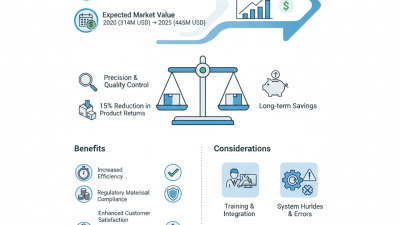
Top 10 Benefits of Using Roller Checkweigher for Accuracy
This chart illustrates the top benefits of integrating roller checkweighers into production lines, enhancing accuracy and operational efficiency.
Cost-Effectiveness of Implementing Roller Checkweighers for Quality Control
Implementing roller checkweighers can significantly enhance cost-effectiveness in quality control. According to industry reports, precise weight measurements can reduce waste by up to 5%. This reduction translates directly into savings for manufacturers. Accurate measurements help minimize the risk of overfilling and underfilling products, ensuring compliance with regulations. Companies can save on materials while boosting customer satisfaction through consistent product quality.
In a study by the Food and Beverage Packaging Association, companies that used roller checkweighers noted a 30% decrease in product returns due to quality issues. This improvement signifies not just enhanced accuracy but also reliability in the supply chain. When products meet specified weight requirements, consumer trust increases. However, the initial investment in advanced checkweighing technology can be a concern. Some may hesitate, fearing that the upfront costs outweigh benefits.
Training staff to use these systems can also pose challenges. Knowledge gaps can lead to underutilization of equipment. Despite these hurdles, the long-term return on investment is typically substantial. A focus on continuous improvement and regular maintenance can further enhance the effectiveness of roller checkweighers in production environments. Regular audits can help identify inefficiencies, leading to better resource allocation.