Top 10 Sorting Machine Designs for Efficient Procurement?
As industries grow, effective procurement becomes essential. Sorting machines play a critical role in enhancing operational efficiency. Reports indicate that automated sorting solutions can improve processing speeds by up to 50%. They reduce labor costs while minimizing errors. With rising demand, businesses are turning to advanced sorting technologies.
The market for sorting machines is expanding rapidly. By 2025, the global sorting equipment market is projected to reach $10 billion. Key players are investing in innovative designs to meet diverse industry needs. These machines boost productivity across sectors like logistics, retail, and manufacturing. However, selecting the right sorting machine requires careful consideration.
Design plays a crucial role in a sorting machine’s effectiveness. Features like speed, capacity, and adaptability can vary significantly. Companies must weigh these factors against their specific operational challenges. This involves reflection on current processes and future growth. While technologies advance, the choice of sorting machine should align with long-term goals and sustainability.
Overview of Sorting Machines in Procurement Processes
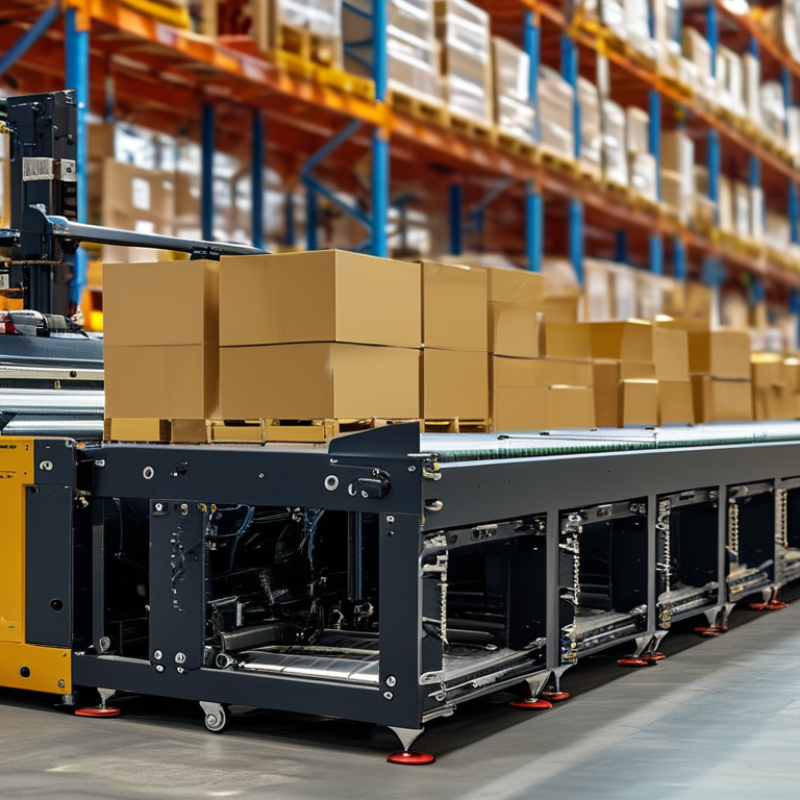
Sorting machines play a crucial role in procurement processes. They streamline the handling of materials, ensuring accuracy and efficiency. These machines sort items based on specific criteria, such as size, weight, or material type. This automation helps businesses reduce errors and save significant time, reflecting the importance of technology in operations.
Tips for effective sorting machine implementation: invest time in assessing specific needs. Not all machines serve the same purpose. Regular maintenance is necessary to keep them operating smoothly. Understanding machine capabilities allows better integration into procurement workflows. Engaging with staff for feedback can improve the sorting process. They may identify issues that require addressing, contributing to overall efficiency.
It’s essential to recognize potential shortcomings. Every sorting machine design isn't perfect. Some may struggle with certain materials or require manual intervention. This can lead to bottlenecks if unanticipated problems arise. Reflecting on these challenges can provide better insights into optimizing operations. Engaging stakeholders in identifying these gaps fosters a collaborative approach to improvement.
Key Features of Efficient Sorting Machine Designs
When considering efficient sorting machine designs, key features stand out. Precision in sorting is crucial.
Machines should accurately identify and segregate items based on size, weight, and material.
This capability reduces errors in procurement, saving both time and resources.
Speed is also significant. A well-designed sorting machine operates quickly without compromising accuracy.
High throughput reduces bottlenecks in the procurement process.
User-friendly interfaces contribute to operational efficiency. Operators should easily adjust settings and monitor performance.
Flexibility in design matters too. Machines must adapt to various product types and sizes.
This adaptability enhances their utility across different sectors.
Regular maintenance and updates are necessary. These practices keep machines running efficiently and minimize downtime.
Continuous evaluation of sorting processes can highlight areas needing improvement.
Types of Sorting Machine Technologies for Procurement
In today's fast-paced procurement landscape, sorting machine technologies play a crucial role. These machines enhance efficiency and improve overall workflow. The recent industry report indicates that sorting machines can reduce labor costs by approximately 20%, showcasing their effectiveness in operational settings.
Different types of sorting machines include conveyor, robotic, and optical sorting technologies. Conveyor systems streamline the sorting process using belts and rollers. Robotic systems, equipped with AI, offer precision that humans may lack. Optical sorting machines utilize advanced imaging, achieving accuracy rates of over 98%. Each type caters to specific needs, and understanding these nuances aids in choosing the right machine.
Tip: Evaluate your company's specific requirements before investing in sorting technology. Analyze the types of products being sorted and the volume to ensure that the selected machine aligns with your operational goals.
Despite advancements, challenges remain. Machine maintenance is essential for optimal performance. A lingering question is whether the upfront cost justifies the long-term savings. Continuous assessment and adjustment can enhance machine utility. Picking the right sorting technology is a blend of art and science, ensuring efficiency without losing sight of costs.
Top 10 Sorting Machine Designs for Efficient Procurement
| Machine Type |
Technology |
Efficiency (%) |
Cost (USD) |
Ideal For |
| Optical Sorting Machine |
Camera Detection |
95 |
25000 |
Fruits & Vegetables |
| X-ray Sorting Machine |
X-ray Imaging |
90 |
60000 |
Metal Recycling |
| Laser Sorting Machine |
Laser Scanning |
92 |
30000 |
Textiles |
| Vibration Sorting Machine |
Vibration Technology |
85 |
15000 |
Bulk Materials |
| Magnetic Sorting Machine |
Magnetic Fields |
88 |
20000 |
Mining |
| Air Classification System |
Fluid Dynamics |
91 |
35000 |
Powder Processing |
| Electromagnetic Sorter |
Electromagnetic Signal |
89 |
28000 |
Plastics |
| Screw Sorter |
Screw Mechanism |
84 |
18000 |
Food Products |
| Belt Sorter |
Conveyor Belt |
87 |
12000 |
General Goods |
| Bucket Sorter |
Bucket Mechanism |
86 |
22000 |
Construction Materials |
Factors Influencing the Selection of Sorting Machines
When selecting sorting machines, several key factors come into play. Efficiency is paramount. A machine that processes items quickly can drastically reduce operation time.
Furthermore, adaptability is crucial. Machines should handle various product types without requiring significant adjustments. This flexibility enhances productivity.
Cost also plays a vital role. Initial pricing is only part of the equation. Maintenance and operational expenses must be considered. An economical machine can become costly if maintenance is high.
Simplicity in operation should not be overlooked. Complex machines can burden operators and slow down workflow.
Additionally, precision and reliability are essential traits. A sorting machine must consistently produce accurate results. Any deviation can lead to increased waste and operational delays.
Ensuring that the chosen machine aligns with specific needs is critical; however, the best technology may not always fit every business model. Regular assessments of the sorting process can reveal hidden inefficiencies, guiding future upgrades or adjustments.
Future Trends in Sorting Machine Innovations for Procurement
The future of sorting machine innovations for procurement is bright and dynamic. As industries evolve, businesses increasingly seek efficient and reliable sorting solutions. Automation technology continues to redefine sorting processes. With advancements in artificial intelligence and machine learning, sorting machines are becoming smarter. They can now adapt to various materials and shipping requirements seamlessly.
Tips: Evaluate your current sorting needs. Assess whether an automated solution is necessary. This can save costs and reduce human error.
One notable trend is the integration of IoT in sorting machines. Real-time data tracking enhances operational efficiency. Machines that can communicate status and performance allow for timely maintenance. However, implementing IoT can be complex. Companies need to ensure their workforce is trained adequately.
Tips: Prioritize staff training when introducing new technology. A skilled team maximizes the benefits of sophisticated sorting machines.
Sustainability is a critical theme. New designs focus on energy efficiency and reduced waste. Environmentally friendly materials are increasingly used in manufacturing sorting machines. Yet, firms often struggle to balance innovation with sustainability. It’s important to continuously evaluate the environmental impact of new designs.
Top 10 Sorting Machine Designs for Efficient Procurement