How to Use a Rotating Collection Table for Effective Displays?
A Rotating Collection Table is a powerful tool for museums and exhibitions. This innovative display option engages visitors while showcasing artifacts effectively. According to a report by the Museum Association, over 75% of visitors prefer interactive displays. Using a Rotating Collection Table allows for a dynamic presentation, fostering curiosity and learning.
Expert David Johnson, a renowned exhibition designer, emphasizes, "A Rotating Collection Table transforms the viewer's experience, encouraging exploration." This approach not only attracts attention but also retains it. The design invites engagement from multiple angles, enhancing the connection with the displayed items. However, implementing such a table requires careful planning to avoid clutter.
While a Rotating Collection Table can elevate an exhibition, it’s essential to curate the items thoughtfully. Not all collections lend themselves well to rotation. Balancing aesthetics and educational value is key. Continuous evaluation of the display's impact on visitors is crucial for long-term success.
Understanding the Concept of a Rotating Collection Table
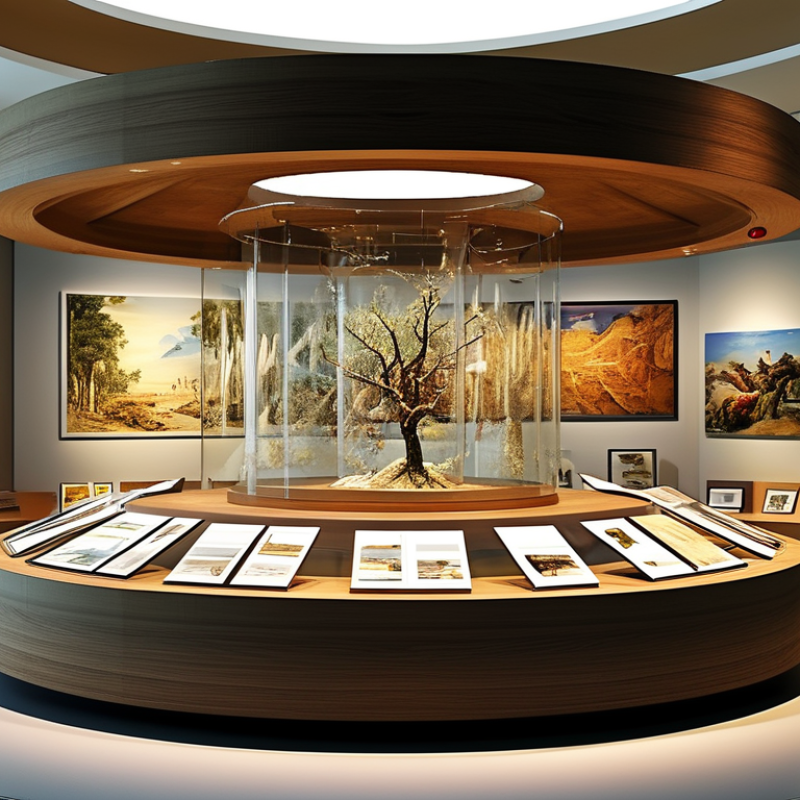
A rotating collection table is an innovative tool for effective displays. It allows for dynamic showcasing of items, enhancing visual appeal. This concept revolves around the idea of movement. When items rotate, they attract more attention. Visitors can view each piece from all angles easily. This interaction can increase engagement with the display.
Understanding the mechanics of a rotating collection table is crucial. Different designs offer various rotation speeds and sizes. Choosing the right one can significantly influence the viewer's experience. The challenge lies in curating a balanced display. Too many items can cause clutter. Fewer, well-placed pieces often resonate better. Lighting and positioning also play vital roles in optimizing the display.
Exploring this concept requires reflection. Not every collection will benefit from rotation. Assessing the audience's interests is key. Observations about visitor interactions can guide future displays. Adapting and learning from past exhibitions enhances the effectiveness of the table. This ongoing process ensures that the collection remains relevant and captivating.
Benefits of Using Rotating Collection Tables for Displays
Rotating collection tables serve as an effective display solution in various settings. They allow for easy visibility and access to items. This can enhance viewer engagement and create a dynamic showcase. Visitors are drawn to the motion, encouraging them to explore collections further. Plus, it can improve the overall aesthetic of the display area.
Utilizing rotating tables offers several benefits. They maximize space and showcase more items in a compact area. This helps prevent clutter and enhances organization. Items can be arranged by theme, color, or size, making it visually appealing. A well-arranged display can lure in foot traffic and increase interest. Experiment with different layouts to find what resonates best.
Tips for Effective Use:
- Keep items at eye level. This makes it easier for viewers to engage.
- Ensure that each piece has adequate lighting. Good lighting enhances colors and details, making displays more attractive.
- Regularly rotate collections to keep the display fresh. This can encourage repeat visits and maintain interest.
Key Features to Look for in a Rotating Collection Table
When selecting a rotating collection table, certain features can significantly enhance its effectiveness. Stability is crucial. Tables should not wobble, which can detract from the viewing experience. According to a 2022 report by the Exhibition Designers Association, over 75% of attendees are more likely to engage with displays that appear stable and secure. A table’s weight distribution plays a vital role in this regard.
Visibility is another key feature. The design should allow for easy viewing from multiple angles. Reports indicate that displays viewed from multiple perspectives increase visitor interaction by nearly 30%. A rotating table with a clear sightline can facilitate this. Consider tables with varied height options. This flexibility can cater to diverse audiences, including children and adults.
Lastly, durability is important. Materials should withstand wear and tear from frequent use. A survey by the National Retail Federation shows that over 60% of display failures stem from poor material choices. Investing in quality construction can prevent these pitfalls. Though challenges exist in maintaining balance and visibility, thoughtful selection of these features can elevate any display experience.
How to Use a Rotating Collection Table for Effective Displays? - Key Features to Look for in a Rotating Collection Table
| Feature |
Description |
Benefits |
| 360-Degree Rotation |
Allows easy access to all items on display. |
Enhances visibility and engagement with displayed items. |
| Adjustable Shelving |
Shelves can be repositioned to accommodate various item sizes. |
Maximizes space utilization and allows for creative arrangements. |
| Compact Design |
Space-saving design suitable for various environments. |
Ideal for small retail spaces or exhibitions. |
| Durable Materials |
Constructed from high-quality materials for longevity. |
Reduces maintenance costs and prolongs the display life. |
| Customizable Options |
Variety of colors and finishes to match decor. |
Enhances overall aesthetic and brand alignment. |
| Easy Mobility |
Equipped with wheels for convenient relocation. |
Facilitates quick changes in display layouts. |
Step-by-Step Guide to Setting Up Your Rotating Collection Table
Setting up a rotating collection table can transform your display strategy. Research shows that effective merchandise displays can increase sales by up to 400%. Focus on showcasing your best items at eye level. This draws attention and encourages impulse purchases.
Begin by selecting a suitable table that fits your space. A common mistake is ignoring the table's size relative to the display area. Ensure the table is not overcrowded with items. Allow for comfortable viewing and interaction.
Tips: Use lighting to highlight key pieces. Good lighting can enhance colors and textures, making items more appealing. Arrange items by theme or color to create a cohesive look. This strategy can lead to a more organized appearance and help customers navigate your collection.
Regularly change your display to keep it fresh. Infrequent updates can make your setup look stale. Research indicates that shoppers respond better to dynamic displays. Pay attention to customer reactions. If certain items garner interest, consider emphasizing them more prominently.
Best Practices for Maintaining and Updating Your Display
Maintaining and updating your rotating collection table is essential for creating engaging displays. Regular updates keep the display fresh and intriguing. Rotate the items frequently to capture attention. Aim for a seasonal theme or a focus on specific topics. This approach can spark curiosity and encourage repeat visits.
Consider the condition of displayed items. Dust and wear can detract from the overall presentation. Schedule routine checks to ensure everything is in top shape. If an item shows signs of damage, reassess whether it should be included. Sometimes, less is more. A sparse, well-curated selection can enhance the visual appeal.
Feedback from visitors can offer valuable insights. Listen to their suggestions and observe their reactions. Engagement metrics can guide your updates. Reflect on what works and what doesn’t. Not every display will resonate. Learn from these experiences to improve future presentations. Adapting and evolving your display strategy is a crucial part of the creative process.