Best Analytical Balance for Precise Measurements in 2026?
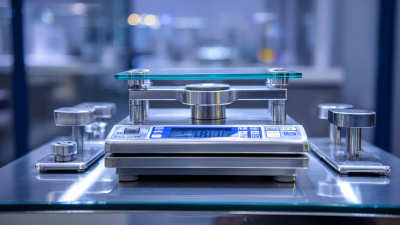
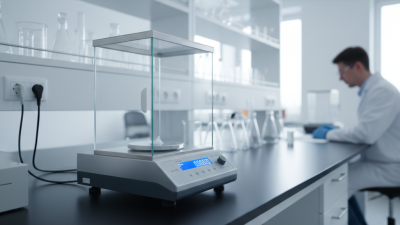
In 2026, the demand for accurate measurements in laboratories continues to rise. The analytical balance is a vital instrument for achieving precision in various applications. Selecting the best analytical balance can significantly impact research outcomes and product quality.
With technological advancements, new models emerge annually. Each analytical balance offers unique features and capabilities. Some balances have advanced weighing functions, while others excel in user interface design. Researchers must consider their specific needs. A balance that suits one laboratory may fall short in another.
Moreover, understanding calibration and maintenance is critical. Regular maintenance ensures reliability and extends the device's lifespan. Users often overlook these aspects, leading to measurement inconsistencies. In a field where every milligram counts, a reliable analytical balance is not just a tool; it is an investment in accuracy and trust.
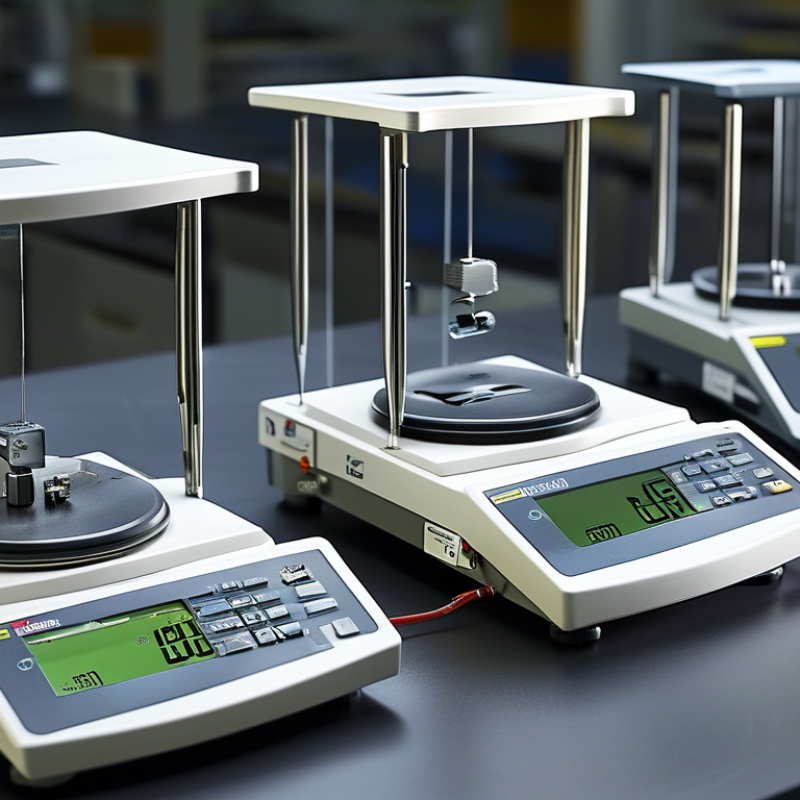
Best Analytical Balance Brands and Their Features in 2026
In 2026, analytical balances are crucial for labs and industries that demand precision. Various brands stand out for their features and reliability. Brands known for consistent quality often include advanced calibration systems. Users value their ability to provide readouts with minimal drift, ensuring accuracy.
Consider features like readability and capacity. Some models offer readability down to 0.1 mg. Others focus on higher capacities while maintaining precision. This balance of features helps professionals make informed choices. Durability is another concern. Many balances need sturdy constructions to withstand daily use.
However, certain challenges persist. Calibration procedures can be time-consuming and require expertise. Users sometimes face difficulties in maintaining consistent conditions to ensure accuracy. Outdoor environments or fluctuations in temperature can lead to discrepancies. Each choice presents a series of trade-offs, prompting users to reflect on their unique needs and working environments.
Key Specifications for Choosing an Analytical Balance
Choosing the right analytical balance is crucial for obtaining precise measurements in laboratories.
Key specifications to consider include
readability, capacity, and stability.
Readability typically ranges from 0.1 mg to 0.01 mg.
If your experiments demand extreme accuracy, opt for balances with higher readability.
Stability affects the reliability of your results. Look for analytical balances with
built-in stabilization indicators.
These features ensure that the reading is accurate and consistent. It’s essential to
calibrate the balance regularly to maintain precision. A well-calibrated device produces trustworthy results.
Tips: Always place the balance on a stable surface.
Vibrations can disrupt readings. Consider environmental factors like drafts and temperature changes.
These variables can impact weight measurements. Monitor your workspace for consistency and make adjustments
for optimal performance.
Moreover, analyze your typical sample size. If you consistently weigh larger items, choose a balance
with a higher capacity. Balances with lower capacities may struggle with larger samples, resulting in
inaccurate outputs. Your workflow will benefit from balancing the specifications that align with your
specific needs.
Comparison of Analytical Balance Accuracy and Resolution Standards
When evaluating analytical balances, accuracy and resolution are essential. Accuracy refers to how close a measurement is to the true value. A high-accuracy balance ensures consistent results, which is vital for scientific experiments. Resolution, on the other hand, indicates the smallest change in weight that can be detected. In analytical balances, this is often expressed in milligrams or micrograms. A balance with better resolution allows for more precise measurements, which is crucial in fields like pharmacology and chemistry.
Tip: Regular calibration can enhance accuracy. This practice helps maintain the balance's performance, ensuring consistently reliable data. Just like athletes monitor their progress, scientists should also keep track of their equipment's condition.
When choosing an analytical balance, consider environmental factors too. Drafts, vibrations, and temperature fluctuations can impact performance. Use vibration-dampening tables for stable readings. It’s also important to assess the balance's specifications. Not all models are created equal; some may claim high accuracy yet fail in real-world tests.
Tip: Take note of the weight range you’ll need. Balances have limits, and exceeding them could result in inaccurate readings. Clarity in choosing the right balance is vital to achieve the required precision in your science endeavors.
Best Analytical Balance for Precise Measurements in 2026
Impact of Environmental Conditions on Analytical Balance Performance
Environmental conditions significantly impact the performance of analytical balances. Factors like temperature, humidity, and air currents can introduce measurement errors. In a laboratory, even slight fluctuations can affect the balance's accuracy. Maintaining a stable environment is crucial for obtaining precise results.
Calibration is essential for reliable measurements. However, it is not a one-time task. Regular checks are necessary, influenced by environmental changes. An analytical balance should be placed away from vents, windows, or any drafts. This ensures a controlled atmosphere, which is vital for accurate weighing.
Users must be vigilant. Sometimes, balances can show different readings at the same weight. This inconsistency might stem from unnoticed vibrations or temperature shifts. Regular maintenance and awareness of the surroundings can mitigate these issues. Accurate measurements depend not only on the balance itself but also on the conditions it operates within.
Emerging Technologies in Analytical Balances for Enhanced Precision
Emerging technologies in analytical balances are set to revolutionize precise measurements in labs. Recent reports indicate that the market for analytical balances is projected to grow by 6.5% annually through 2026. This growth is driven by advancements such as digital sensors and connectivity integrations that enhance data accuracy.
Modern analytical balances utilize electromagnetic force restoration technology. This method reduces the influence of environmental factors like air currents and vibration. The result is superior measurement precision, with uncertainties of 0.1 mg or less being reported in leading industry studies. These balances often feature touchscreens for easier operation and data analysis.
**Tips:** Always calibrate your balance regularly to maintain accuracy. Check for a stable environment—avoid drafts and vibrations. Additionally, consider using isolating tables or enclosures to improve measurement reliability against environmental interference.
Best Analytical Balance for Precise Measurements in 2026
| Model |
Max Capacity (g) |
Readability (mg) |
Stability Time (s) |
Connectivity Options |
Special Features |
| Model A |
200 |
0.1 |
3 |
USB, RS232 |
Touchscreen Interface |
| Model B |
300 |
0.01 |
4 |
Bluetooth, WiFi |
Internal Calibration |
| Model C |
150 |
0.001 |
2 |
Ethernet, RS232 |
Environmental Sensors |
| Model D |
250 |
0.1 |
3.5 |
USB, Bluetooth |
Anti-draft Shield |
| Model E |
500 |
0.01 |
5 |
WiFi, USB |
Calibratable Pre-weighing Mode |