What is a Rotating Collection Table and How Does it Work?
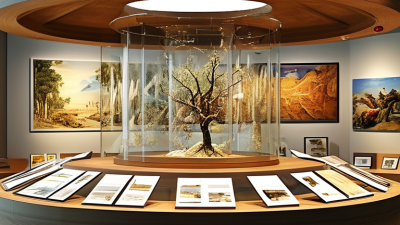
A Rotating Collection Table serves as a unique approach to displaying items. It allows for a dynamic showcase to enhance visibility and engagement. This table design rotates, giving viewers multiple angles of the displayed objects. Such functionality encourages interaction and curiosity.
The mechanics behind a Rotating Collection Table are rooted in simplicity and efficiency. It often includes a motorized base, allowing the table to spin with ease. Users can customize the speed to enhance their exhibit. This feature makes it ideal for galleries, museums, or retail spaces.
Despite its innovation, challenges exist. Not all items suit a Rotating Collection Table. Some might become disoriented or lose focus during rotation. It's important to consider the type of items being displayed. The balance of aesthetics and functionality is crucial for achieving the desired effect.
What is a Rotating Collection Table?
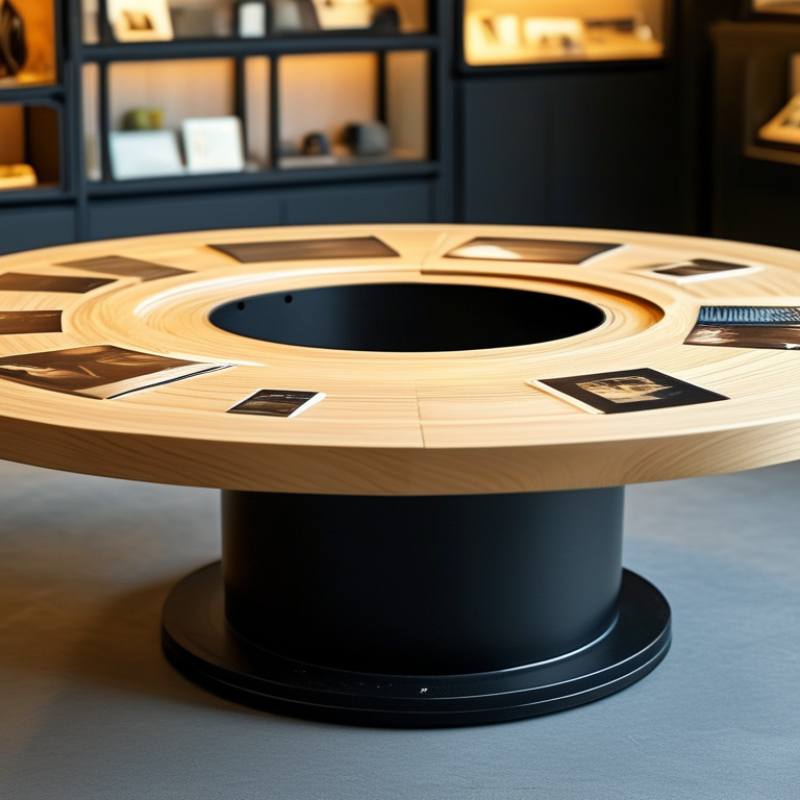
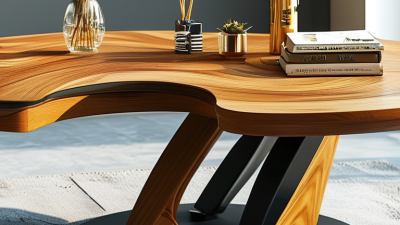
A rotating collection table is an innovative design used in various settings, from libraries to art galleries. This table allows users to explore items conveniently by rotating the collection for easy access. Instead of displaying objects in a linear fashion, the circular design promotes a more interactive experience. Each item can be viewed from all angles, enhancing visibility and engagement.
The mechanism behind these tables is relatively simple. They typically consist of a central pivot, allowing the top surface to spin freely. Users can rotate the table with a gentle push. This helps prevent overcrowding, as items are rotated into view rather than clumped together. However, maintaining an organized collection can be challenging. Sometimes, items may get misplaced during rotation, requiring regular checks.
Implementing a rotating collection table can encourage creativity and curiosity. It invites participants to physically engage with the collection. However, thoughtful curation is needed. Care must be taken to ensure that all displayed items are securely placed. Otherwise, accidents may happen. A well-designed rotating collection table can enrich the user experience while also demanding attention to detail in setup and maintenance.
Key Features of Rotating Collection Tables
Rotating collection tables are innovative solutions for efficient item display in various settings. These tables enhance visibility and accessibility for products in retail and exhibit spaces. By rotating, they allow multiple items to be showcased in a limited area, improving customer engagement and sales opportunities. A study by the Retail Innovation Conference indicated that strategically placed rotating displays can increase item visibility by up to 30%.
Key features of rotating collection tables include adjustable speed settings and customizable design options. These tables often use silent motors, ensuring a smooth operation that doesn’t disrupt the environment. Additionally, they can be designed with different heights and shapes, catering to various product types and customer preferences. According to industry research, businesses can see a 25% boost in customer interaction with rotating displays compared to static ones.
Tip: When using rotating collection tables, ensure that the lighting highlights the displayed items effectively. Poor lighting can diminish the appeal of even the best products. Also, consider frequent updates to the collection to maintain customer interest and excitement.
These tables present challenges too. Over-rotation speeds can lead to customer frustration. It's essential to find a balance that keeps products moving, while allowing customers adequate time to engage. Regular feedback from users can help refine this process and enhance the overall experience.
How Rotating Collection Tables Function
Rotating collection tables are innovative tools used in various fields, particularly in museums and galleries. These tables allow multiple artworks or items to be displayed and changed regularly. The rotating mechanism provides an engaging experience for viewers, enabling them to see objects from different angles. This can enhance understanding and appreciation of the displayed works.
How do these tables function? Typically, they are designed with a motorized system that rotates the table slowly. This means visitors can enjoy a 360-degree view of the collection. The smooth rotation helps maintain viewer interest, making it more likely they will engage with the display. Additionally, some tables incorporate lighting effects to highlight specific items, further enriching the experience.
**Tips:** When using rotating collection tables, consider the placement and lighting of each item. Not all items benefit from rotation. Some might require static displays for better appreciation. Regular maintenance is crucial. Without proper upkeep, the rotation can become jerky or fail altogether. Evaluate your collection regularly to determine which objects resonate best with your audience.
Applications of Rotating Collection Tables in Various Industries
Rotating collection tables are versatile tools used in multiple industries. They facilitate efficient materials handling, improving workflow in production lines. Manufacturing plants often rely on these tables to streamline assembly processes. According to a report from the Association for Manufacturing Technology, productivity can increase by 20% when rotating systems are implemented.
In healthcare, these tables play a critical role. They help in organizing medical supplies in surgical rooms, ensuring quick access during operations. A study from the Journal of Surgical Research indicates that using rotating collection tables reduces operation time by up to 15%. However, equipment failures can occur, highlighting the need for regular maintenance.
Retail environments also benefit from rotating collection tables. They allow for effective product displays, making inventory management easier. Research from the National Retail Federation shows that impulse buys can increase by 30% when products are presented effectively. Yet, finding the right setup can be challenging. Not every layout suits all products or spaces, demanding critical evaluation and adaptability.
Applications of Rotating Collection Tables in Various Industries
Benefits of Using Rotating Collection Tables for Inventory Management
Rotating collection tables offer significant benefits for inventory management. These tables maximize space efficiency by allowing easy access to products. Businesses can quickly rotate stock, which helps maintain freshness and reduce waste. Employees can locate items without searching through cluttered shelves, saving time during busy hours.
Moreover, rotating collection tables enhance visualization. Employees can view all items at a glance, promoting better decision-making. This layout also encourages organized categorization of inventory, minimizing errors in stock management. However, not every business may benefit equally from this system. Some may find the initial setup costs daunting.
Another aspect to consider is training staff on the table's use. While it can simplify processes, understanding its mechanics is crucial. Poorly trained employees might lead to mismanagement of items. Despite these challenges, the advantages can outweigh the drawbacks, especially for large inventories. A well-implemented rotating collection table can transform inventory practices and streamline operations.