Leave Your Message
Choosing a Metal Detector Checkweigher is not just a matter of matching a machine to a production line. It means protecting product quality while keeping packs moving at the speed your team needs. The details matter: pouch material, product temperature, line vibration, target weight, and the space available for reject bins. Small mismatches can create nuisance rejects or missed inspection opportunities. Every shift feels it.
The World Health Organization estimates that 600 million people fall ill and 420,000 die each year after eating contaminated food (WHO, “Food Safety,” 2022). Those figures describe foodborne illness broadly; they do not measure metal-detector performance. Still, they underline why inspection equipment should fit a documented food-safety plan, with routine testing and recorded results. WHO Director-General Dr. Tedros Adhanom Ghebreyesus has put the wider responsibility plainly: “Food safety is a shared responsibility.” That is a public-health perspective, not a machine-selection specification.
In the tips ahead, we will look at detection sensitivity, checkweigher accuracy, belt speed, product effects, reject handling, sanitation, and service support. Compare specifications against real samples and actual line conditions, not brochure promises alone. A test on a quiet showroom belt may not predict performance beside a vibrating filler at full speed. Ask suppliers to explain their test method and acceptance criteria. Be cautious, too: no single setting guarantees every product will be inspected perfectly. Selection takes evidence, trials, and occasional reconsideration.
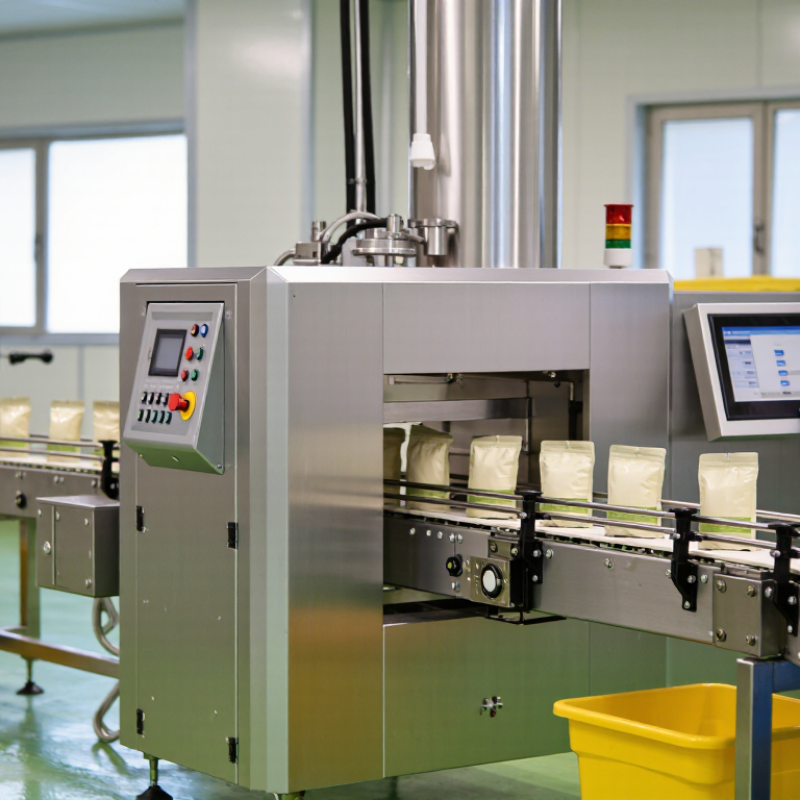
Before selecting a metal detector checkweigher, map the actual production range: package weights, dimensions, line speed, and changeover frequency. A 250-gram pouch behaves differently from a chilled, wet tray. Product conductivity and temperature can also affect metal-detector performance, while uneven spacing can disrupt reliable weighing. Record the smallest and largest packs, then test representative products under real line conditions. Small details matter.
Tip: Define acceptable weight tolerances and required throughput before comparing equipment. Include the product’s packaging, orientation, and typical spacing. FAO’s 2011 Global Food Losses and Food Waste report estimated that about one-third of food produced for human consumption—roughly 1.3 billion tonnes annually—was lost or wasted worldwide. That figure is not a measure of checkweigher performance, but it underlines why accurate weight control and fewer avoidable rejects deserve attention.
Tip: Ask for trials using your own products, including difficult cases such as cold, moist packs or frequent size changes. Check whether the detector can handle the product effect without excessive false rejects, and confirm that the checkweigher maintains accuracy at your target speed. A tidy specification sheet can still mislead. I’d also leave room for future formats; production plans tend to change.
Use this planning table to document your application before comparing equipment. Figures are illustrative starting points, not guaranteed machine specifications; confirm performance through product trials and line testing.
| Tip | Requirement to define | Practical example | Why it matters when selecting equipment | What to verify |
|---|---|---|---|---|
| 1. Define the product and package | Product dimensions, shape, presentation, and packaging material | A sealed pouch measuring 180 × 120 mm, or a rigid tray measuring 220 × 160 mm | Product size and package material determine the required detector aperture, conveyor width, and available inspection configuration. | Test the actual product in its final package. Include normal variation in package size and orientation. |
| 2. Record weight and checkweighing limits | Nominal weight, target weight, acceptable range, and applicable control procedure | A 500 g pack with an internal process target of 505 g and an example review band of 495–515 g | The weighing range and required process control affect scale selection and operating settings. Legal net-content rules vary by market and must be checked separately. | Agree on the target, permissible limits, and how the line will handle underweight or overweight products before specifying the checkweigher. |
| 3. Measure required line speed | Products per minute, conveyor speed, spacing, and expected speed changes | 120 packs per minute with consistent gaps; evaluate the fastest expected production condition | Higher throughput and irregular product spacing can reduce weighing and inspection opportunities or require a different handling arrangement. | Run representative products at the intended operating speed, including normal start-up and speed variation. |
| 4. Identify product effects on detection | Moisture, salt, temperature, conductivity, and product consistency | Wet or salty foods may produce a product signal that affects metal detection; dry, low-moisture products may behave differently. | Product characteristics can affect detector response and achievable sensitivity, especially with products that create a strong product effect. | Challenge the detector with representative products and confirm the agreed test-piece performance under production conditions. |
| 5. Specify metal hazards and test pieces | Relevant metal types and the site’s documented detection standard | Consider ferrous, non-ferrous, and stainless-steel contamination; test-piece sizes must be established for the application. | Different metals can produce different detector responses. Sensitivity also depends on aperture size, product effect, and installation conditions. | Define test-piece materials and sizes with the quality or food-safety team. Verify detection at the appropriate position in the aperture. |
| 6. Match the equipment to the production environment | Washdown method, dust, ambient temperature, humidity, and cleaning chemicals | A wet-cleaning food area may require washdown-suitable construction and materials compatible with the site’s cleaning routine. | Environmental conditions influence equipment enclosure, materials, electrical protection, and long-term reliability. | Specify cleaning procedures and environmental conditions with the supplier; confirm that the proposed equipment is rated for them. |
| 7. Plan rejection, verification, and integration | Reject method, reject-bin monitoring, line controls, and records | A pneumatic reject for a suitable lightweight pack, or a pusher for a product requiring a different handling method | Reliable inspection depends on safely removing rejected products without disrupting accepted product flow. Checkweigher and detector results may also need to integrate with line controls. | Test reject timing, reject confirmation, bin-full or reject-fault alarms, and documented challenge checks at the required production points. |