Combination Weighing Machine Tips for Accurate Measurements?
In the world of precision measurement, the role of the Combination Weighing Machine is paramount. Accurate measurements are essential for various industries, especially in food processing and pharmaceuticals. According to a recent report by the International Society of Weighing Technology, over 70% of production errors stem from inaccurate measurements. This statistic highlights the critical need for reliable weighing solutions.
Expert in the field, Dr. Emily Chen, emphasizes, “Investing in quality Combination Weighing Machines can drastically reduce discrepancies in measurement.” Her insight reflects a growing recognition of the importance of technology in enhancing accuracy. Even minor errors can lead to significant financial losses and safety concerns. Therefore, a meticulous approach to using these machines is necessary.
However, achieving accuracy with Combination Weighing Machines is not always straightforward. Factors such as environmental conditions and calibration cycles can impact performance. Even industry leaders must constantly evaluate their operations to ensure the highest standards. Addressing these challenges is crucial for maintaining reliability and optimizing productivity in any weighing process.
Understanding the Basics of Combination Weighing Machines
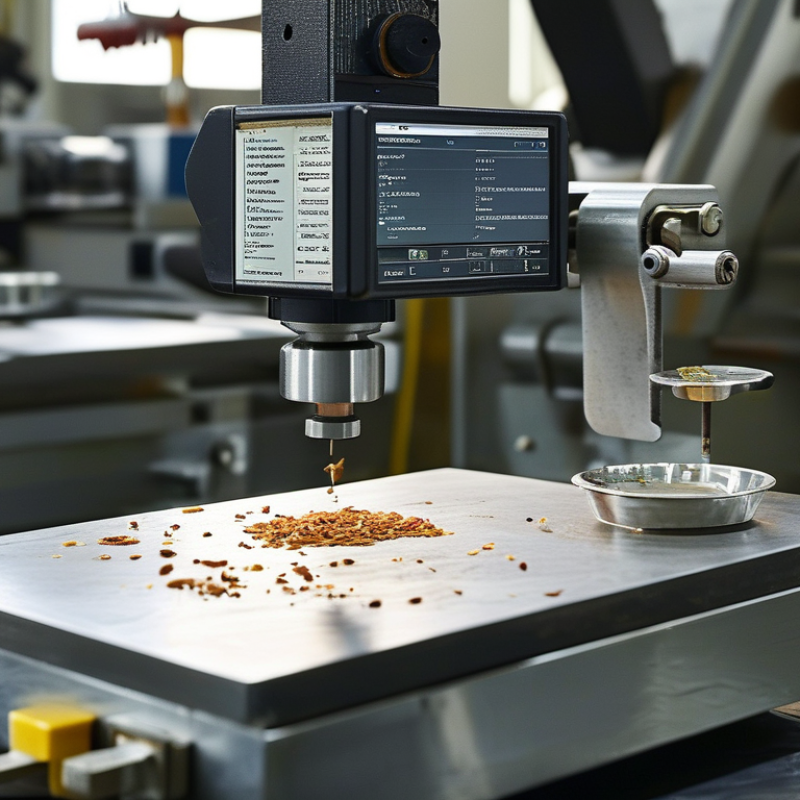
Combination weighing machines are essential tools in various industries, offering precise measurements for different applications. Understanding their basics improves accuracy and efficiency. These machines often use multiple scales to achieve precise weight distribution. Operators need to select appropriate weighing components based on their specific product requirements. This choice impacts overall accuracy significantly.
Operator error can lead to imprecise results. Ensuring that products are correctly positioned is vital. If the load isn't balanced, the weighing process can yield misleading data. Regular calibration is also crucial for maintaining reliability. Even minor discrepancies in settings can lead to significant weight variations, especially in high-volume operations.
Users should familiarize themselves with the machine's features. Many combination weighing machines offer settings for different product types. Understanding these settings aids in minimizing the margin of error. Operator training is equally important. A well-trained team knows how to handle the machine's complexities and troubleshoot potential issues effectively. This knowledge base contributes to better overall performance.
Key Factors Affecting Measurement Accuracy
When using a combination weighing machine, several key factors can influence measurement accuracy. Understanding these can improve your weighing tasks significantly. Environmental conditions play a vital role. Humidity and temperature can affect the machine's performance. A damp environment can lead to rust, while extreme temperatures may distort readings.
Calibration is essential for accurate measurements. Regular checks ensure the machine operates correctly. Even minor misalignments can lead to significant errors. A good practice is to conduct a calibration test before important weighings. Ensure the machine is on a stable surface. Vibration from nearby equipment can lead to fluctuations in weight readings. Taking these steps can enhance accuracy.
Tips for precise measurements are quite useful. Always zero the machine with no weight before use. This helps manage initial errors. Use consistent container weights or tare the scales correctly. Avoid overloading the machine, as this can lead to inaccurate readings. Keeping the machine clean and free of dust can also improve performance. Regular maintenance contributes to long-term reliability.
Tips for Proper Calibration of Weighing Machines
Calibrating a combination weighing machine is vital for accurate measurements. Start by ensuring the environment is stable, away from vibrations and drafts. Any disturbance can lead to inaccuracies. Regular checks with certified weights can reveal ongoing calibration needs. Precision is crucial, especially in businesses where even slight discrepancies can affect product quality.
Consider the scale's readability and the load cell's condition. Grit or moisture on the load cell can skew results. Cleaning it regularly maintains its sensitivity. Remember, calibration should not be a one-time task. It should happen frequently, particularly if the machine is heavily used.
Be aware of the machine's limits. Overloading can damage sensitivity. Monitor the wear of components and replace them as needed. This attention to detail can help maintain reliability over time. Accuracy in weighing impacts overall operational efficiency. While achieving perfect calibration may feel elusive, continuous improvement can make a significant difference. Pursue regular feedback and involve staff in the process to enhance outcomes.
Best Practices for Product Loading and Distribution
Effective product loading is crucial for accurate measurements in combination weighing machines. Ensuring that items are distributed evenly across the weighing pan can prevent skewed results. For instance, placing heavy items towards the center while lighter ones are positioned around them helps balance the load. This practice minimizes the risk of obtaining erroneous weights due to uneven distribution.
Attention to detail is vital. Operators should inspect the size and shape of items. Oddly shaped products may settle unevenly, leading to fluctuating weight readings. Additionally, avoiding overloading is essential. Exceeding the machine's capacity can result in inaccurate measurements, damaging the equipment. Regular maintenance checks are also necessary to ensure reliability.
Understanding the rejection criteria of the machine adds another layer of precision. Familiarizing oneself with how the machine reacts to weight discrepancies can lead to better loading practices. Each type of product may require different handling techniques. Experimenting with these approaches can yield insights and enhance overall accuracy. Reflection on past experiences can help fine-tune loading strategies for optimal performance.
Combination Weighing Machine Tips for Accurate Measurements
| Tip |
Description |
Best Practice |
Common Mistakes |
| Calibrate Regularly |
Ensure the machine is calibrated according to manufacturer specifications. |
Perform calibration at least once a week. |
Neglecting calibration can lead to inaccurate measurements. |
| Load Consistently |
Place items in a uniform manner to ensure even weight distribution. |
Center loads in the weighing area. |
Loading items randomly can cause fluctuations in weighing accuracy. |
| Use Appropriate Containers |
Select containers that do not interfere with the weight measurement. |
Choose lightweight and non-intrusive containers. |
Heavy or unsuitable containers can skew results. |
| Avoid Vibrations |
Ensure the weighing machine is placed on a stable surface. |
Use vibration-dampening mats if needed. |
Operating near heavy machinery can affect readings. |
| Temperature Control |
Maintain a consistent operating temperature to avoid thermal expansion effects. |
Keep the machine in a climate-controlled environment. |
Ignoring temperature changes can lead to measurement discrepancies. |
Common Mistakes to Avoid in Combination Weighing Processes
In combination weighing processes, accuracy is paramount. Common mistakes can compromise results. One frequent error is miscalibrating the scales. According to industry reports, up to 30% of weighing inaccuracies stem from improper calibration. Regular checks against standards ensure reliability.
Operators often overlook environmental factors. Changes in humidity and temperature can affect measurement precision. Data indicates that a 1% variation in temperature may lead to a 0.5% shift in weight readings. Failing to maintain a stable environment can be detrimental to data integrity.
Another pitfall is the improper use of containers. Using inappropriate materials can introduce additional weight or contaminants. A report from the International Journal of Weighing Technology reveals that erroneous container choices can alter measurements by as much as 10 grams in sensitive applications. Careful selection of containers is essential for accurate combination weighing.
Combination Weighing Machine Accuracy Analysis
This chart illustrates the common mistakes that can occur in combination weighing processes and their impact on measurement accuracy.